
Journal · Buying
Homeowners Insurance in South Florida: What to Price Before You Make an Offer
Roof age, the 4-point inspection, wind mitigation credits, Citizens and flood coverage. How insurance shapes a South Florida purchase, and when to get your quotes.
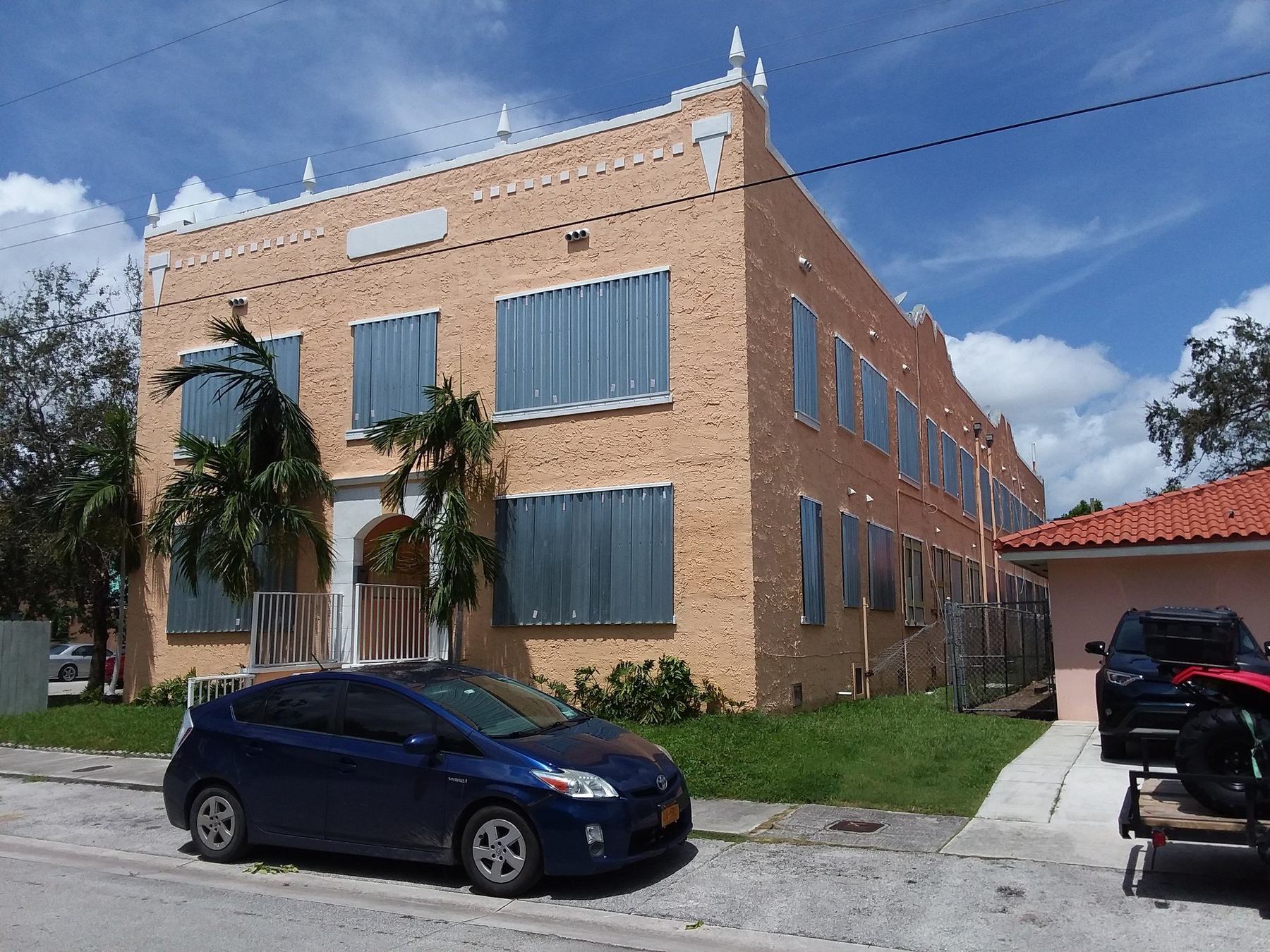
In most of the country, homeowners insurance is a detail you arrange a week before closing. In South Florida it can decide whether a purchase works at all. The same house can be easy to insure or very expensive depending on the age of its roof, how it is built to resist wind and where it sits relative to the water. That is why we ask every buyer to start pricing insurance before the offer, not after. Here is what drives the number.
Why insurance comes first
Insurance affects a purchase in three ways. It is part of your monthly cost, often a large part. Your lender will not close without it. And some houses are hard to insure until something is fixed, which can turn a good deal into a long negotiation.
So before we write an offer on a house, we like you to have a conversation with an independent insurance agent who writes policies in Florida. Give them the address, the year built, the roof age if the listing shows it, and whether the home has impact windows or shutters. A rough quote at this stage tells you whether the monthly numbers work.
The roof
The roof is the single biggest factor in insuring a Florida home. Insurers care about:
- Age. Older roofs narrow your choice of insurers and raise the price. Florida law limits when an insurer can refuse coverage based on roof age alone, but an older roof still affects what you will pay and who will write the policy.
- Material. Tile, shingle, metal and flat roofs each have different expected lifespans and different treatment by insurers.
- Condition. Missing tiles, soft spots, past leaks or poor repairs show up in inspections and in the insurer's decision.
The roof's permit history tells you when it was actually replaced. We look it up rather than relying on what a listing says.

The 4-point inspection
For older homes, many insurers require a 4-point inspection before they will write a policy. A licensed inspector reports on four systems:
- Roof: age, material and remaining life.
- Electrical: the panel, the wiring type and any hazards.
- Plumbing: the pipe materials, the water heater and any leaks.
- HVAC: the age and condition of the air conditioning and heating.
Certain items are known problems with insurers, such as some older electrical panel brands, aluminum branch wiring and certain types of older plumbing. If the 4-point shows one of them, you may need to replace it before an insurer will bind coverage. It is far better to learn that during your inspection period than the week before closing.
The wind mitigation inspection
A wind mitigation inspection documents the features that help a house resist hurricane winds. The inspector records things like:
- How the roof deck is attached to the trusses.
- How the roof is tied to the walls, for example with clips or straps.
- The roof shape. Hip roofs generally perform better in wind than gable roofs.
- Whether there is a secondary water barrier under the roof covering.
- Whether windows and doors are protected with impact-rated glass or approved shutters.
Florida requires insurers to offer discounts for qualifying wind mitigation features, and on some homes those credits make a real difference to the premium. If the seller has a recent wind mitigation report, ask for it. If not, it is an inexpensive inspection to add.
Citizens and the private market
Citizens Property Insurance Corporation is the state-created insurer that covers homeowners who cannot find coverage in the private market at a comparable price. Many South Florida homes are insured through Citizens, especially older homes and homes close to the coast.
Citizens has its own eligibility rules, and it now requires many policyholders to also carry flood insurance. If the home you are buying is currently insured with Citizens, that is useful information, but your own eligibility is decided when you apply. Your insurance agent can tell you whether a private insurer will write the house and how the two options compare.
Flood, deductibles and condos
A standard homeowners policy does not cover flood. Flood insurance is separate, through the National Flood Insurance Program or a private flood insurer.
- If the home is in a high-risk flood zone and you have a federally backed mortgage, the lender will require flood insurance.
- Flood pricing is now based more closely on each property's own risk, so two homes on the same street can price differently.
- An existing NFIP policy can often be transferred to the buyer. Ask whether the seller has one and what it costs.
- Even outside a high-risk zone, many South Florida owners choose to carry flood coverage. Heavy rain floods streets that are not near any water.
Ask for the elevation certificate if one exists. It is one of the main documents a flood insurer uses.
Two more things to understand when you compare quotes. First, Florida policies carry a separate hurricane deductible, usually a percentage of the dwelling coverage rather than a flat amount. Know what that number is in dollars. Second, if you are buying a condo, the association's master policy covers the building, and you need your own policy (often called an HO-6) for the interior, your belongings and your liability. The association documents tell you where the line falls.
How we help
We order the 4-point and wind mitigation inspections alongside the general inspection, pull the roof permit history, and give your insurance agent what they need early so you have real quotes inside your inspection period. We do not sell insurance or give insurance advice, but we make sure you are never surprised by it. If you are getting ready to buy, talk to our team about the homes you are considering.
More from the journal
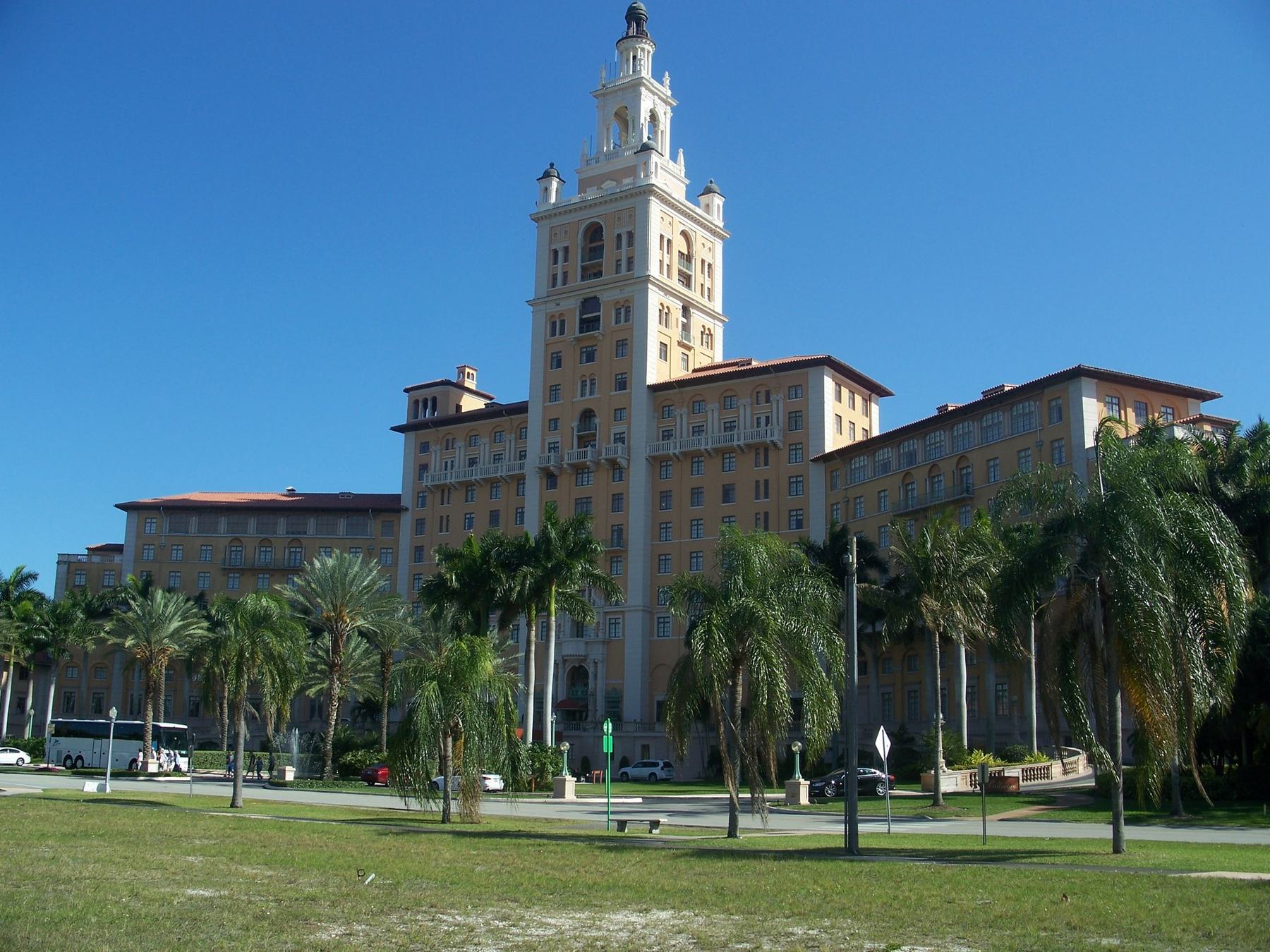
The Coral Gables Sections, Explained: Where Each Kind of Buyer Ends Up
Gated bayfront, golf-course cottages, walk-to-dinner condos. A section-by-section guide to Coral Gables for buyers who know how they want to live but not yet where.
Read the article
Getting a Mortgage as a Foreign National in Miami: What Lenders Ask For
No U.S. credit history, income abroad, savings in another currency. What a Miami lender will ask a foreign buyer for, and how to prepare the file before you start touring.
Read the article
The Florida Homestead Exemption and the Save Our Homes Cap, Explained
How the homestead exemption works, why the Save Our Homes cap matters more every year, and how portability lets you carry the savings to your next Florida home.
Read the article
Talk to us
Buying, selling or investing?
Tell us what you have in mind and we reply within one business day.