
Journal · Buying
Getting a Mortgage as a Foreign National in Miami: What Lenders Ask For
No U.S. credit history, income abroad, savings in another currency. What a Miami lender will ask a foreign buyer for, and how to prepare the file before you start touring.
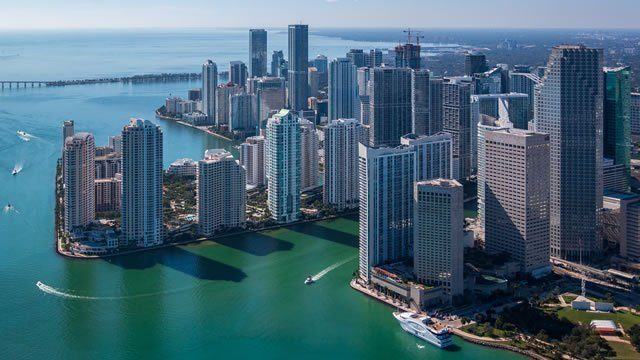
Many of the buyers who call us from Latin America and Europe plan to pay cash. Many others would rather keep part of their capital at home and finance the purchase. Both work. Financing as a foreign national is possible in Miami, but the file looks different from a resident's loan, and it takes longer to put together. This article covers the financing side only. The purchase itself, from contract to closing, gets its own guide later this month.
Who offers these loans
A foreign national mortgage is a loan to a buyer who is not a U.S. citizen or permanent resident and who usually has no U.S. credit history or U.S. income. Several banks and mortgage lenders in Miami offer them, often as part of a private banking relationship or through programs built for international buyers. They are not the standard loans most U.S. buyers get, so the terms, the documents and the timeline are set by each lender.
That last point is the most important one. Two lenders can quote very different down payments, rates and document lists for the same buyer. We always suggest talking to more than one.
The down payment and the reserves
Expect to put down more than a U.S. resident would. The lender sets the minimum, and it often depends on the type of property, the price, and your profile. A single-family house and a condo in an older tower can be treated differently by the same lender.
Lenders also ask for reserves: money left over after the down payment and closing costs, usually measured in months of the future mortgage payment. Many want those reserves in a U.S. account, sometimes at their own bank. Ask early how many months they require and where the money has to sit.
The documents lenders ask for
Every lender has its own list, but most files include:
- A valid passport, and often proof of your current visa or how you enter the United States.
- Proof of income from your home country: tax returns, an employer letter with salary and time in the job, or, if you own a business, financial statements and a letter from your accountant.
- Bank statements for the last several months, showing the funds for the down payment, closing costs and reserves.
- A reference letter from your bank at home, and sometimes credit reference letters, because there is no U.S. credit report to pull.
- Proof of address abroad, such as a utility bill.
- Certified English translations of any document in another language. Some lenders also ask for amounts converted to dollars.
The lender will also want to see where the down payment comes from. Money that has been in your account for a while is simpler. A recent large deposit, a sale of a business, or a gift from a relative will need paperwork that explains it. If funds are moving from another country, plan the transfer with your bank well in advance, and keep every confirmation.
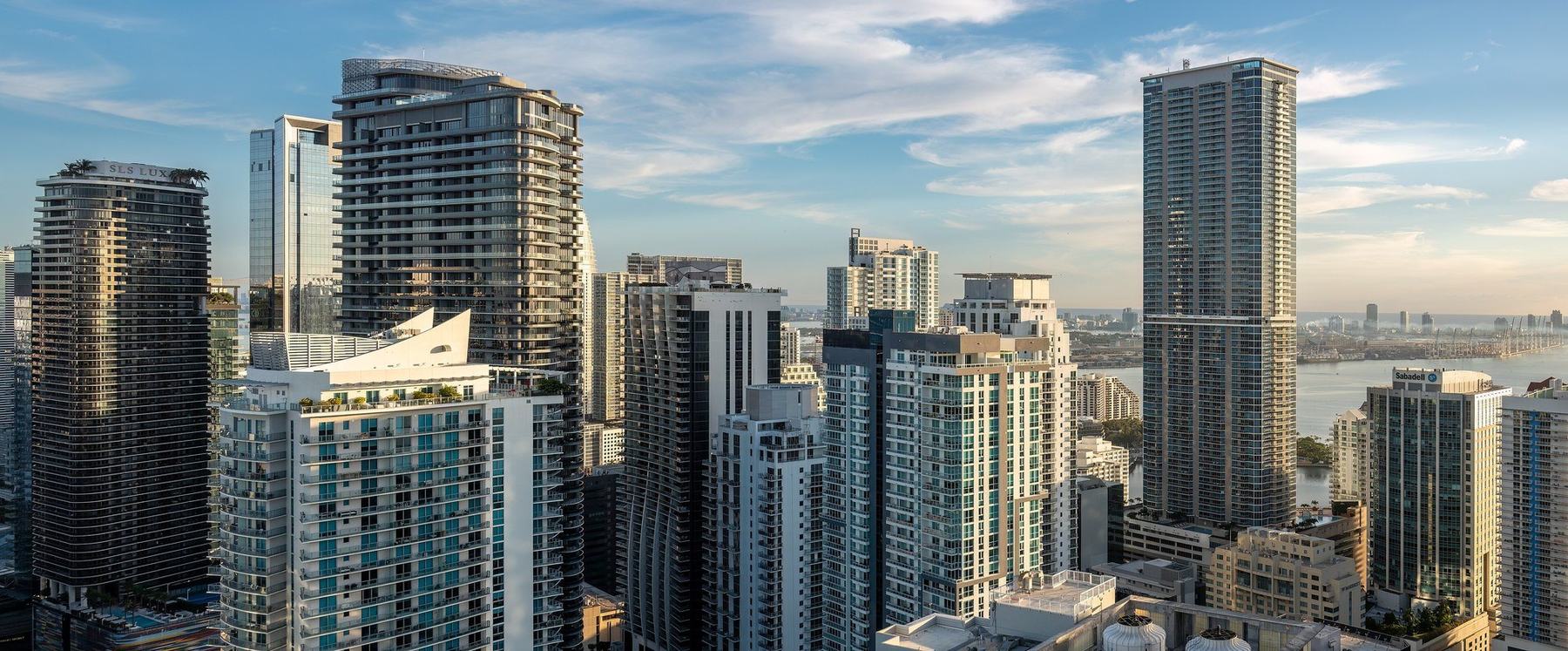
The building matters as much as you do
For condos, the lender approves the building as well as the buyer. The lender will ask the association for information about the building: its budget, its reserves, any pending litigation, how many units are owner-occupied or rented, and its insurance.
Since Florida tightened its condo safety laws, lenders also pay close attention to milestone inspections, structural reserve studies and any repairs the association has not yet funded. Some lenders will not lend in a building with significant unfunded repairs, short-term rental activity, or a hotel-style rental program.
This is why we check a building's financing picture before we show it to a buyer who needs a loan. A unit that fits every wish but cannot be financed is not a real option. When a building is a problem for one lender, another may still work, and sometimes the honest answer is that the unit only makes sense for a cash buyer.
Rate, currency and the full monthly cost
Foreign national loans usually carry a higher rate than resident loans. Lenders may offer fixed rates, adjustable rates, or both. Ask how long the rate is locked, what happens if closing is delayed, and whether there is a penalty for paying the loan off early.
There is also a risk that no lender can price for you: the currency. The mortgage is in dollars. If your income is in pesos, reales or another currency, a change in the exchange rate changes what the payment costs you. Some buyers keep a dollar reserve or rental income in the U.S. for exactly this reason. That is a decision to make with your financial advisor.
Most lenders also require the monthly payment to come out of a U.S. account automatically.
The lender will require insurance on the property before closing. For a house, that is a homeowners policy. For a condo, it is usually a policy on the interior of your unit, since the association insures the building. If the property is in a flood zone that requires it, the lender will also require flood insurance.
Many lenders collect property tax and insurance with the monthly payment through an escrow account. When you compare loans, compare the full monthly figure, not only the rate: principal, interest, taxes, insurance, and the association fee for a condo.
The timeline: start before you tour
A foreign national loan takes longer to approve than a domestic one. Documents come from another country, translations take time, and the building review adds another step. In Miami, a seller usually wants to see a pre-approval letter with your offer, and a financed offer competes with cash buyers who can close quickly.
Our advice is simple. Talk to a lender before you start looking. Get a clear list of documents, a pre-approval for a realistic price range, and an idea of which property types that lender will finance. Then we search inside that range, and your offer arrives with a lender ready to close.
How we help
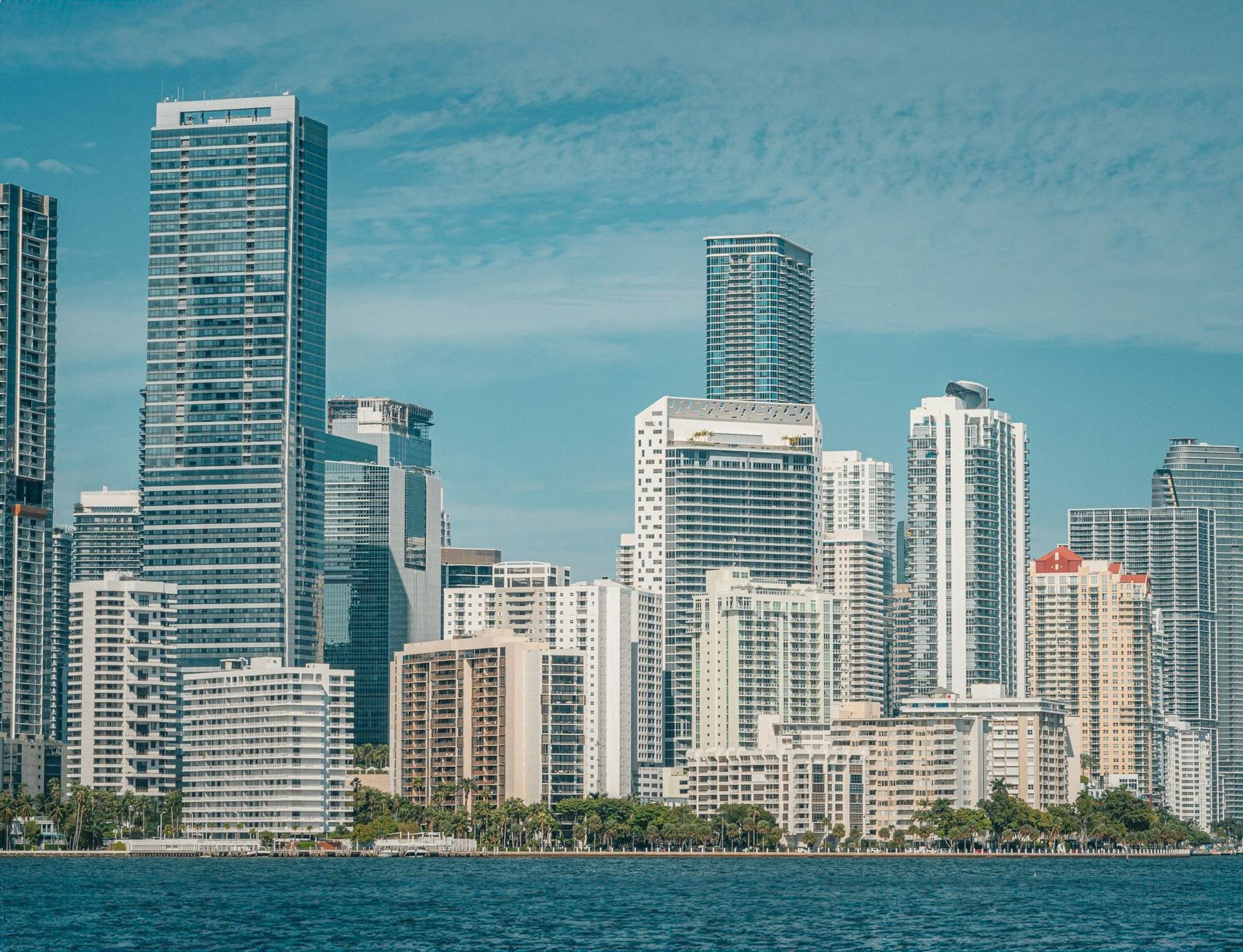
We introduce our clients to lenders who work with international buyers regularly, check each building's financing picture before you fall in love with a unit, and keep the lender, the association and the title company on the same calendar until closing. If a structure or tax question comes up, we bring in your attorney or CPA rather than guess. Tell us where you are buying from and what you have in mind, in English or Spanish, and we will help you start with the right lender. To get a feel for what is available, browse condos for sale in Brickell.
More from the journal
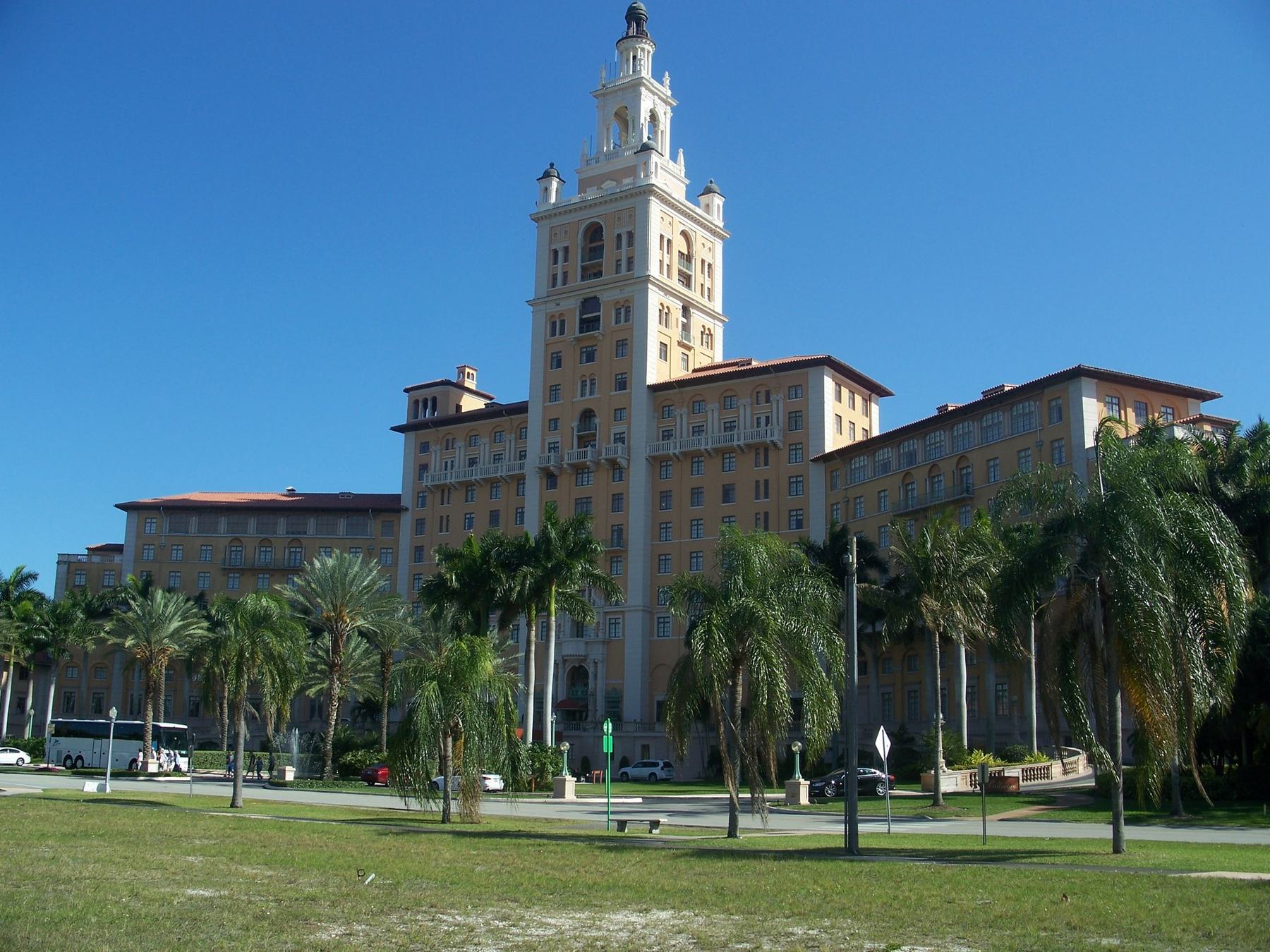
The Coral Gables Sections, Explained: Where Each Kind of Buyer Ends Up
Gated bayfront, golf-course cottages, walk-to-dinner condos. A section-by-section guide to Coral Gables for buyers who know how they want to live but not yet where.
Read the article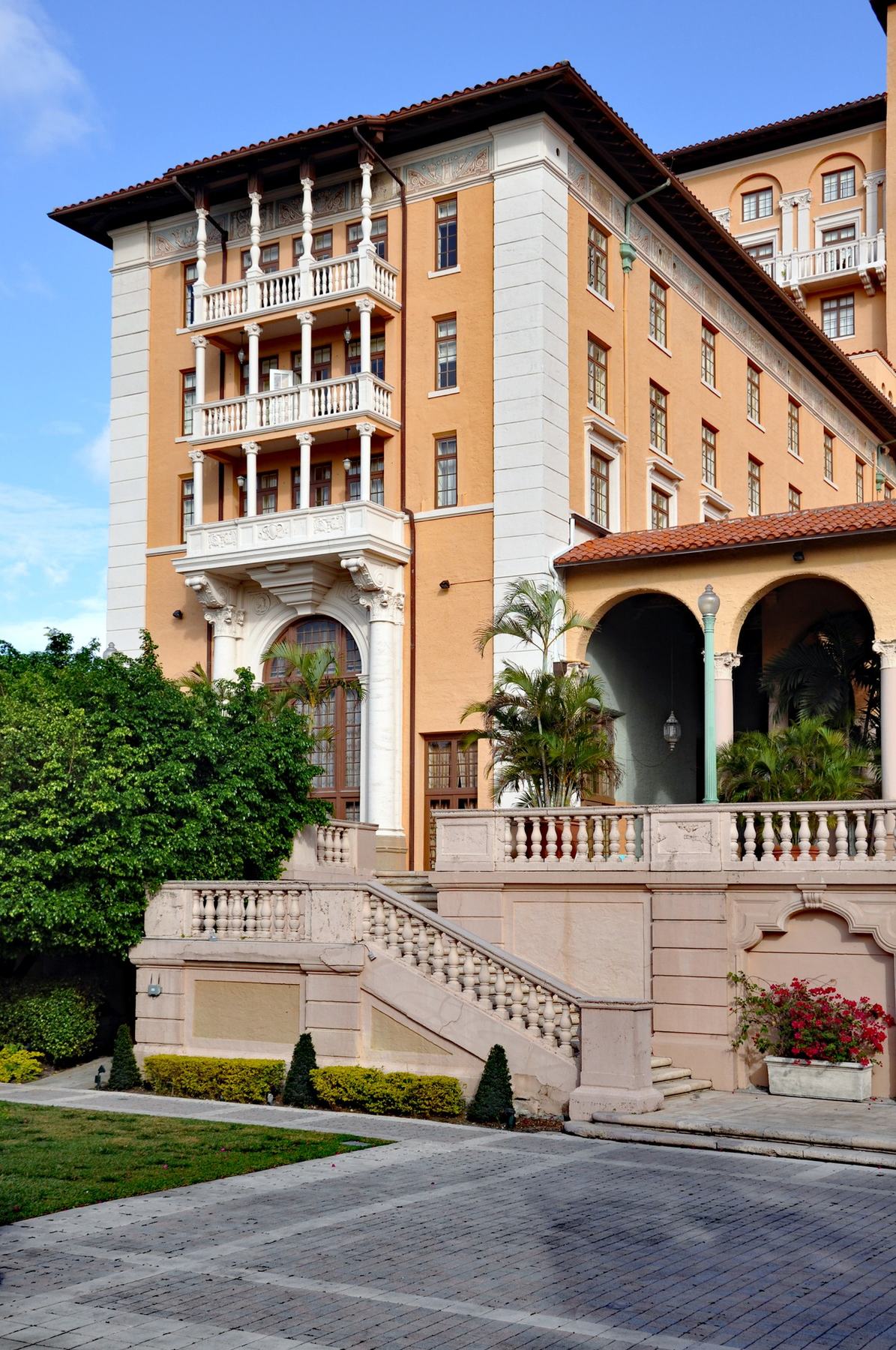
The Florida Homestead Exemption and the Save Our Homes Cap, Explained
How the homestead exemption works, why the Save Our Homes cap matters more every year, and how portability lets you carry the savings to your next Florida home.
Read the article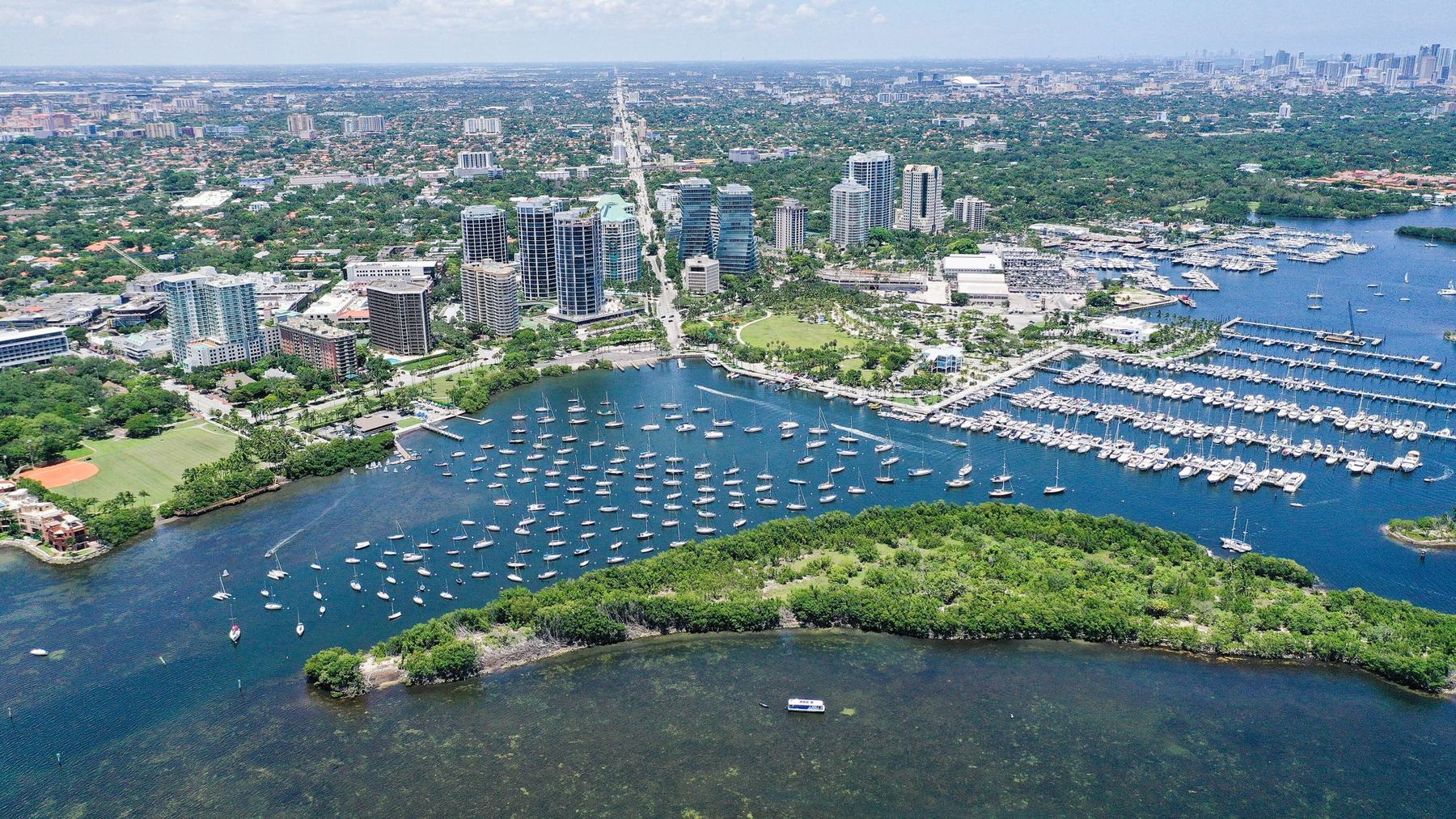
A Local's Weekend in Coconut Grove: The Bayfront, the Village and the Parks
Bayfront parks at sunrise, the village on foot, an 1891 house on the bay and Vizcaya's gardens. How to spend a weekend in Coconut Grove, and what it says about living there.
Read the article
Talk to us
Buying, selling or investing?
Tell us what you have in mind and we reply within one business day.