
Journal · Buying
What a Buyer Pays at Closing in Miami-Dade: The Line Items Explained
Title insurance, lender fees, Florida taxes on the mortgage, prepaid insurance and taxes, prorations and HOA charges. What each closing cost is and who to ask about it.
Photo: Kid Keen 47, CC BY-SA 4.0
Every buyer asks the same question once an offer is accepted: how much do I need to bring to closing? The honest answer is that it depends on the price, the loan, the property and the contract. What we can do is explain every line you will see, so the final number makes sense when it arrives. Here is how closing costs work for a buyer in Miami-Dade.
Two documents tell you the number
If you are financing, your lender gives you a Loan Estimate shortly after you apply. It lists the expected loan costs, the cash needed to close and the monthly payment. Before closing you receive a Closing Disclosure, which shows the final figures. Federal rules require you to receive it at least three business days before you close, and that window exists so you can compare it line by line with the estimate.
The title company or closing attorney also prepares a settlement statement that shows both sides of the transaction. If you are buying with cash, that statement is the document that tells you what to wire.
We review both with you. Most surprises at closing come from a line nobody explained in advance.
Title and closing charges
In Florida, the title company or a closing attorney runs the closing. Their charges usually include:
- Owner's title insurance policy. It protects you against covered problems with the title that existed before you bought, such as an unknown lien or a recording error. In Miami-Dade, local custom often has the buyer paying for the owner's policy and choosing the title company, but the contract decides who pays.
- Lender's title policy. If you have a mortgage, the lender requires its own policy. The buyer pays for it.
- Title search, settlement and closing fees. The work of examining the records, preparing documents and running the closing.
- Endorsements. Additional coverage the lender may require for specific risks.
Title insurance premiums in Florida are set by the state, but the other fees vary by company. It is fair to ask for an itemized quote early.

Lender charges and Florida taxes on the loan
If you are financing, the lender's section of the Loan Estimate typically includes:
- An origination or processing fee.
- Discount points, if you choose to pay upfront for a lower interest rate.
- The appraisal, which the lender orders and you pay for.
- Credit report, flood certification and similar third-party fees.
These vary widely from lender to lender. Comparing two or three Loan Estimates for the same loan type is one of the simplest ways to save money on a purchase.
Florida also charges taxes when a mortgage is recorded: a documentary stamp tax on the promissory note and an intangible tax on the mortgage. Both are calculated on the loan amount, and in a financed purchase they are normally a buyer cost. A cash buyer does not pay them because there is no new loan.
The county also charges recording fees to record the deed and the mortgage in the public records. The documentary stamp tax on the deed itself is a separate item that in Miami-Dade is typically paid by the seller, though again the contract governs.
Rates are set by law and can change, so we let the title company and your lender quote the exact amounts for your purchase.
Prepaids, escrow and prorations
This is the part of the statement that confuses people most, because these are not fees. They are money paid in advance for things you would pay anyway.
- Homeowners insurance. Lenders usually require the first year's premium to be paid at or before closing. In South Florida this can be a significant number, which is why we suggest getting quotes early.
- Flood insurance, if the property requires it or you choose to carry it.
- Escrow deposits. If your loan has an escrow account, the lender collects a few months of property taxes and insurance upfront so the account can pay those bills when they come due.
- Prepaid interest from the closing date to the end of the month.
- Property tax proration. Florida property taxes are paid in arrears, so the seller usually credits you for the part of the year they owned the home. That credit lowers your cash to close.
Condo and HOA charges
If the property is in a condominium or a homeowners association, expect some of these:
- Application or approval fees for the association's review of the buyer.
- Capital contribution or transfer fees, which some associations charge on every sale.
- Prorated dues for the current period.
Who pays the association's estoppel certificate, the letter that confirms what the seller owes, depends on the contract. We read the association documents with you before you are committed, so these charges are known in advance.

Costs paid before closing, and protecting the wire
Some costs come before closing and are paid directly:
- Home inspection, plus the 4-point and wind mitigation inspections that insurers often ask for in Florida.
- Termite (WDO) inspection, and any specialist inspections such as a sewer scope or a seawall report.
- Survey, if you or your lender want one.
- Earnest money deposit. This is not a cost. It is credited toward your purchase at closing.
Finally, wire fraud targets real estate closings. Criminals send fake emails that look like they come from the title company with new wiring instructions. Always confirm wiring instructions by calling the title company at a number you already know, never one from the email, and never act on a last-minute change to where the money goes.
How we help
We ask the title company and your lender for itemized estimates early, read the Closing Disclosure with you before you sign, and flag anything that changed. For questions about taxes or how to hold title, we will point you to a CPA or a real estate attorney. If you are planning a purchase and want to understand your numbers before you start, talk to our team.
More from the journal
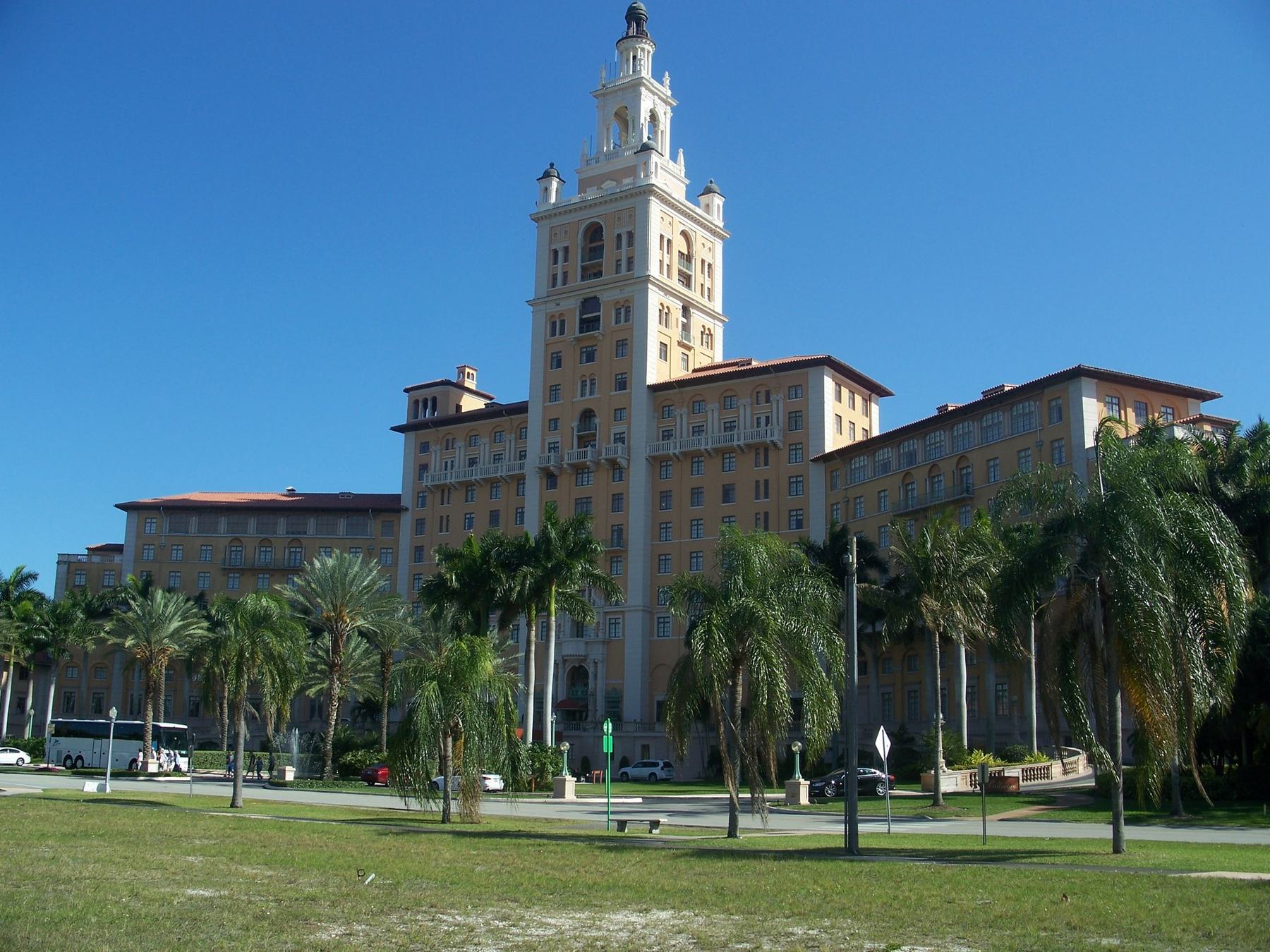
The Coral Gables Sections, Explained: Where Each Kind of Buyer Ends Up
Gated bayfront, golf-course cottages, walk-to-dinner condos. A section-by-section guide to Coral Gables for buyers who know how they want to live but not yet where.
Read the article
Getting a Mortgage as a Foreign National in Miami: What Lenders Ask For
No U.S. credit history, income abroad, savings in another currency. What a Miami lender will ask a foreign buyer for, and how to prepare the file before you start touring.
Read the article
The Florida Homestead Exemption and the Save Our Homes Cap, Explained
How the homestead exemption works, why the Save Our Homes cap matters more every year, and how portability lets you carry the savings to your next Florida home.
Read the article
Talk to us
Buying, selling or investing?
Tell us what you have in mind and we reply within one business day.