
Journal · Buying
Amendment 3 Passed: What the Bigger Homestead Exemption Means for You
Florida voters approved Amendment 3 on November 3. Here is what changes for homeowners, buyers, new residents and investors in Miami-Dade, and what is still being worked out.

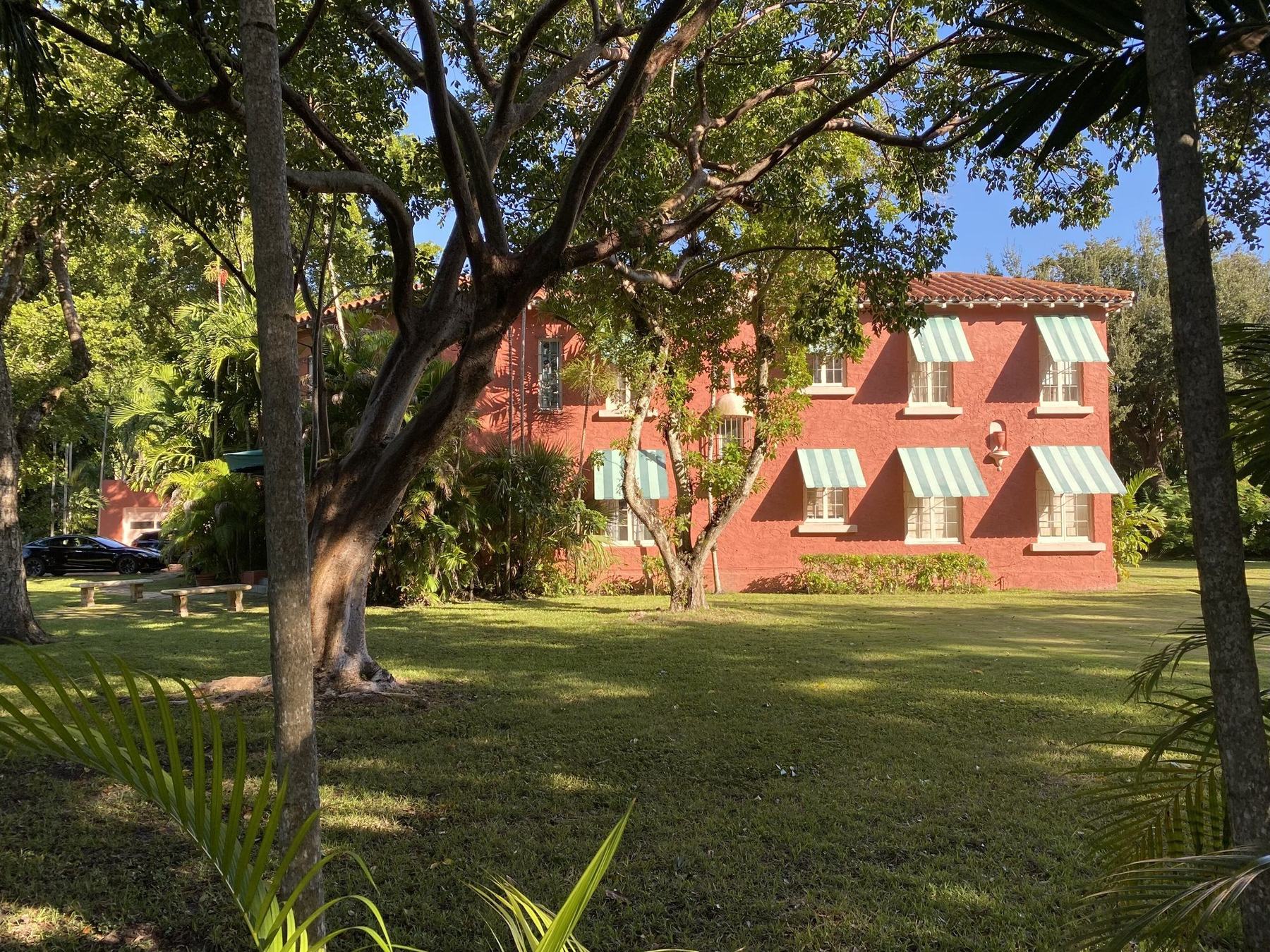
Photo: SebasTorrente (talk), CC BY-SA 3.0
On Tuesday, November 3, Florida voters approved Amendment 3, the property tax measure on this year's ballot. Constitutional amendments in Florida need at least 60 percent of the vote, and Amendment 3 passed with about 62 percent in unofficial results. It is the biggest change to the homestead exemption in years, and it affects almost everyone who owns, buys or invests in a Florida home. Here is what it does, in plain terms, and what is still being worked out.
What changes for homeowners
The homestead exemption removes part of your primary home's assessed value before property tax is calculated. Until now, the part that applies to non-school taxes has been about $50,000. Under Amendment 3:
- 2027: the exemption for non-school taxes rises to $150,000.
- 2028: it rises to $250,000.
- 2029 and after: the $250,000 amount is adjusted each year for inflation.
School taxes are not part of the increase. The $25,000 exemption that applies to school taxes stays as it is, so every homeowner will still pay school taxes on most of their home's assessed value.
The changes take effect on January 1, 2027, which means the first bill that reflects them is the 2027 property tax bill, mailed in November 2027. You will see the new numbers first on the proposed tax notice (the TRIM notice) the property appraiser sends in August 2027.
What stays the same
Two of the most valuable parts of the homestead system do not change, according to Florida TaxWatch's analysis of the amendment:
- Save Our Homes. The assessed value of a homestead can still rise no more than 3 percent a year, or the change in the Consumer Price Index if that is lower.
- Portability. If you sell one Florida homestead and buy another, you can still carry some or all of your built-up Save Our Homes savings to the new home.
The basic rules to qualify are also the same: you must own the home and make it your permanent residence on January 1, and apply with the property appraiser by March 1 of that year. In our county that is the Miami-Dade Property Appraiser. If you already have a homestead exemption, keep it current. The legislature is expected to pass implementing rules, and we will share any filing steps as soon as they are published.
How much it could save
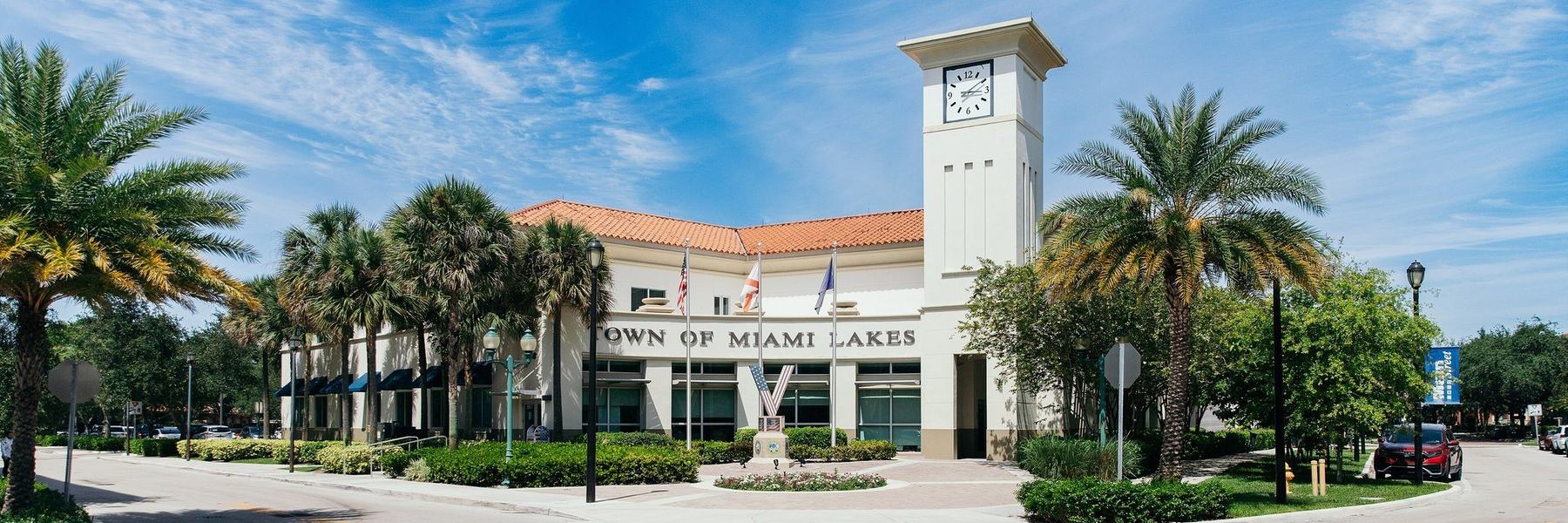
The savings depend on two things: how much of your home's assessed value the larger exemption covers, and the non-school tax rate (the millage) at your address. In Miami-Dade, that rate is different in Coral Gables, Miami Lakes, Pinecrest or the City of Miami, because cities and special districts set their own.
A simple way to estimate it: in 2027 roughly $100,000 more of your assessed value is shielded from non-school taxes, and in 2028 roughly $200,000 more. Multiply that amount by your non-school millage. At a non-school rate of 10 mills, which is $10 for every $1,000 of value, that works out to about $1,000 in 2027 and about $2,000 in 2028. Florida TaxWatch publishes a calculator that follows the same method. Homes with lower assessed values save less, because the exemption cannot reduce taxable value below zero.
Local tax rates can still change. Cities and counties keep their authority to set millage, so your real savings will depend on the rates adopted each year.
If you are moving to Florida
This is the part relocating buyers need to read twice. The amendment says that people who are not Florida residents on December 31, 2026 receive the existing homestead exemption when they first qualify. The larger exemption starts with their fifth year of exemption.
In practice, a buyer who becomes a Florida resident in 2027 or later will start with today's exemption and move to the larger one about five years later. If you are planning a move to Miami from another state or from abroad, the timing of your residency could make a real difference to your tax bill for several years. The exact rules for proving residency on that date are still to be defined, so ask the property appraiser and your tax advisor before you count on it.
Second homes, rentals and investment property
Non-homestead property does not get the homestead exemption, and that does not change. What does change is the cap on how fast its assessed value can rise. Today, assessment increases on most non-homestead property are limited to 10 percent a year. Amendment 3 lowers that cap to 5 percent. That covers second homes, rental and investment properties and commercial property.
For an investor, a lower cap makes future tax bills more predictable. It does not lower this year's bill, and the assessment still resets to market value when the property sells.
What it means for cities and counties
Less taxable value means less property tax revenue for local governments. A legislative estimate put the statewide reduction at nearly $5 billion in the first fiscal year, and Miami-Dade's administration estimated a loss of roughly $385 million for the county in the first year. The amendment also directs how counties and cities use property tax revenue, focusing it on core services such as public safety, schools, infrastructure and natural resources, with other spending allowed when local officials approve it.
How each city responds, through its budget and its millage rate, will shape what homeowners actually save. Budgets for the 2027 tax year are set in the summer and fall of 2027.
What this means for buyers and sellers right now
- Buyers: the cost of owning a primary home in Florida goes down starting in 2027. When we run your numbers, we now show the estimated tax with the new exemption, and we still estimate it on your purchase price, never on the seller's bill.
- Sellers: a lower tax bill makes the monthly cost of your home easier for a buyer to carry, especially for buyers who are already Florida residents.
- Owners selling one home and buying another: portability still works, and the larger exemption applies to the new homestead once you qualify.
- Everyone: results are unofficial until certified, and implementing legislation will fill in the details. Before you rely on any figure, confirm it with the property appraiser or a tax advisor.
How we help
We follow these changes closely and we build them into every buyer's and seller's numbers: the estimated tax on your price in 2027 and 2028, what portability could bring if you are selling a Florida home, and what the residency date means if you are moving here. Our earlier guide to the homestead exemption and the Save Our Homes cap explains the basics. Tell us what you are planning and we will run the numbers with you.
Sources: the Amendment 3 ballot summary as published by the Florida Chamber of Commerce, Florida TaxWatch's Property Tax Resource Center, and election coverage by CBS News Miami and Bay News 9. Figures are based on unofficial results and may change with certification.
More from the journal
Pricing a Home to Sell: Why the First Two Weeks Matter
A new listing gets its biggest audience in its first days on the market. How we set a price that uses that window, and what the early feedback tells you.
Read the article
Key Biscayne: A Guide to Island Living
The village, the beaches, the causeway, and the choice between an oceanfront condo and a house on the island. What to know before you buy on Key Biscayne.
Read the article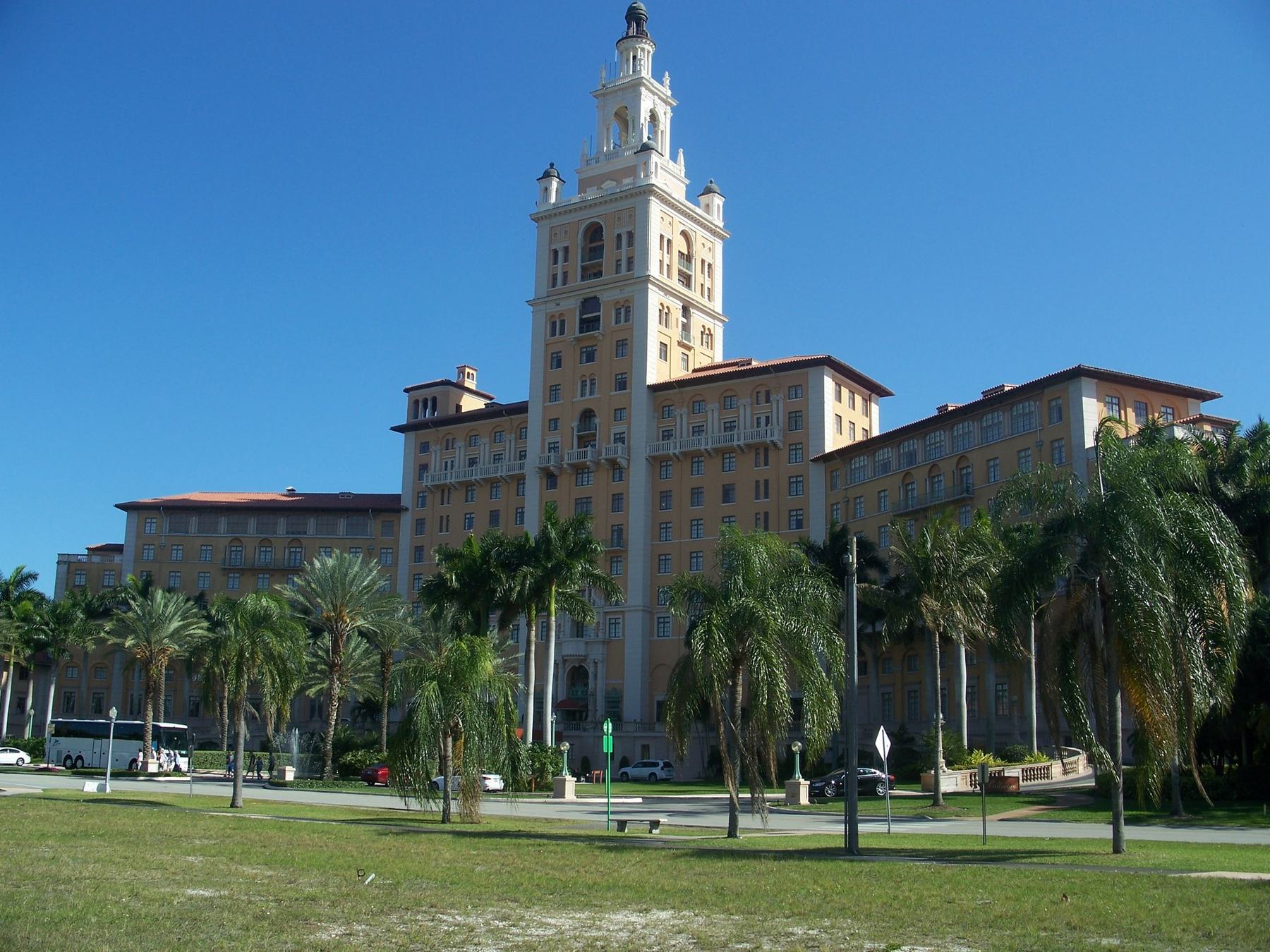
The Coral Gables Sections, Explained: Where Each Kind of Buyer Ends Up
Gated bayfront, golf-course cottages, walk-to-dinner condos. A section-by-section guide to Coral Gables for buyers who know how they want to live but not yet where.
Read the article
Talk to us
Buying, selling or investing?
Tell us what you have in mind and we reply within one business day.