
Journal · Neighborhoods
Key Biscayne: A Guide to Island Living
The village, the beaches, the causeway, and the choice between an oceanfront condo and a house on the island. What to know before you buy on Key Biscayne.
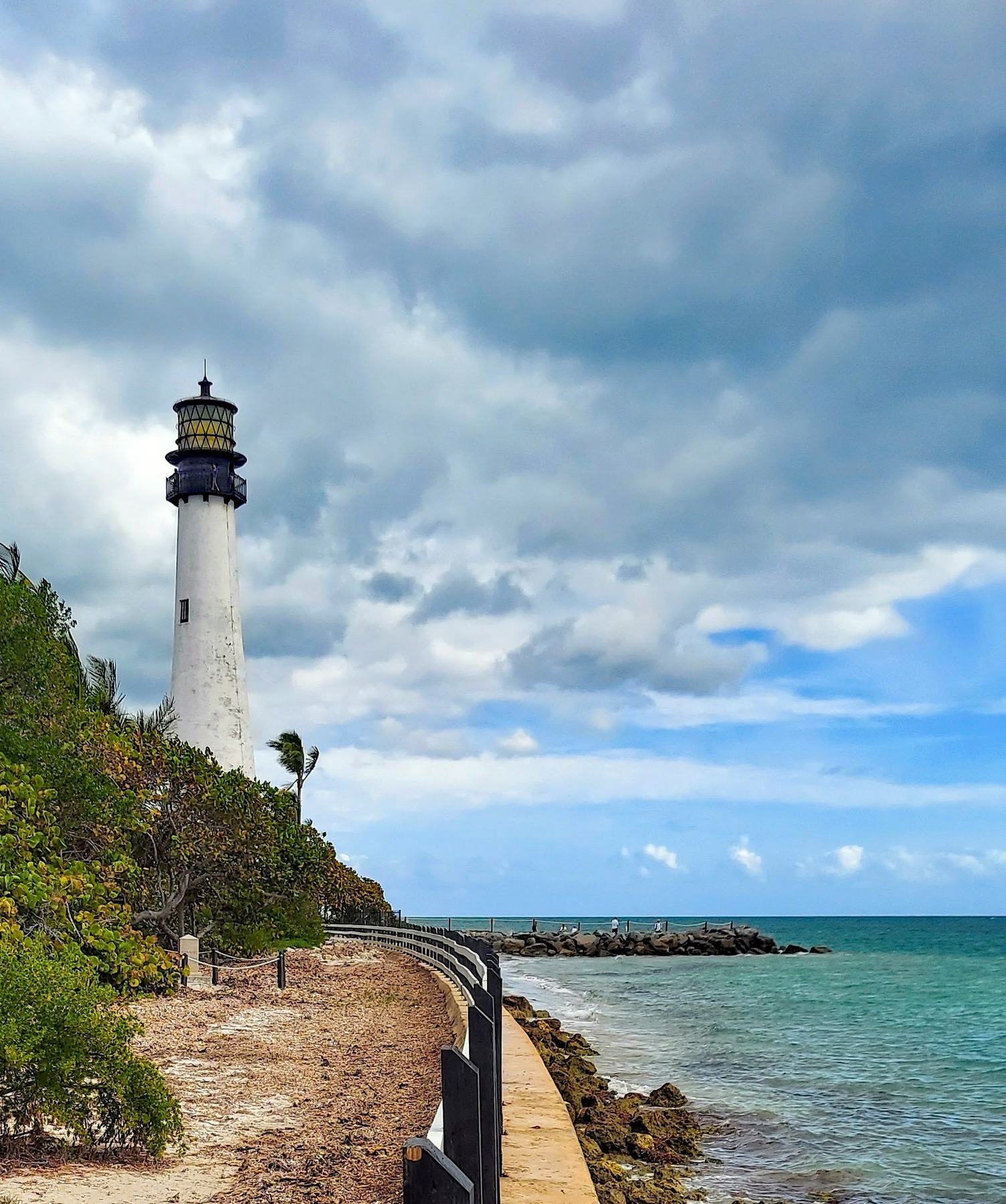
Photo: P. Hughes, CC BY-SA 4.0
Key Biscayne is a few minutes across the water from Brickell, and it feels much farther. The island has two large parks, a beach on the Atlantic, a small village in the middle, and one road that connects it all to the mainland. Buyers who choose it usually know exactly why. Here is what we walk them through before they do.
The layout: two parks and a village
Key Biscayne is a barrier island south of Miami Beach and east of Coconut Grove. Driving in, you cross the Rickenbacker Causeway from the mainland near Brickell, pass over Virginia Key, and arrive on the island at its northern end.
That northern end is Crandon Park, a large Miami-Dade County park with a long Atlantic beach, a marina, a golf course and a tennis center. The southern tip is Bill Baggs Cape Florida State Park, with its beaches, trails and the Cape Florida Lighthouse. Between the two parks sits the Village of Key Biscayne, its own municipality since 1991, with its own government, zoning and building department.
Because so much of the island is parkland, the village is compact. Most of daily life happens along Crandon Boulevard, the main road, where you find the shops, the restaurants and the Village Green park. Many streets are short and lined with trees, and the village is laid out for walking and cycling.
The causeway is the commute
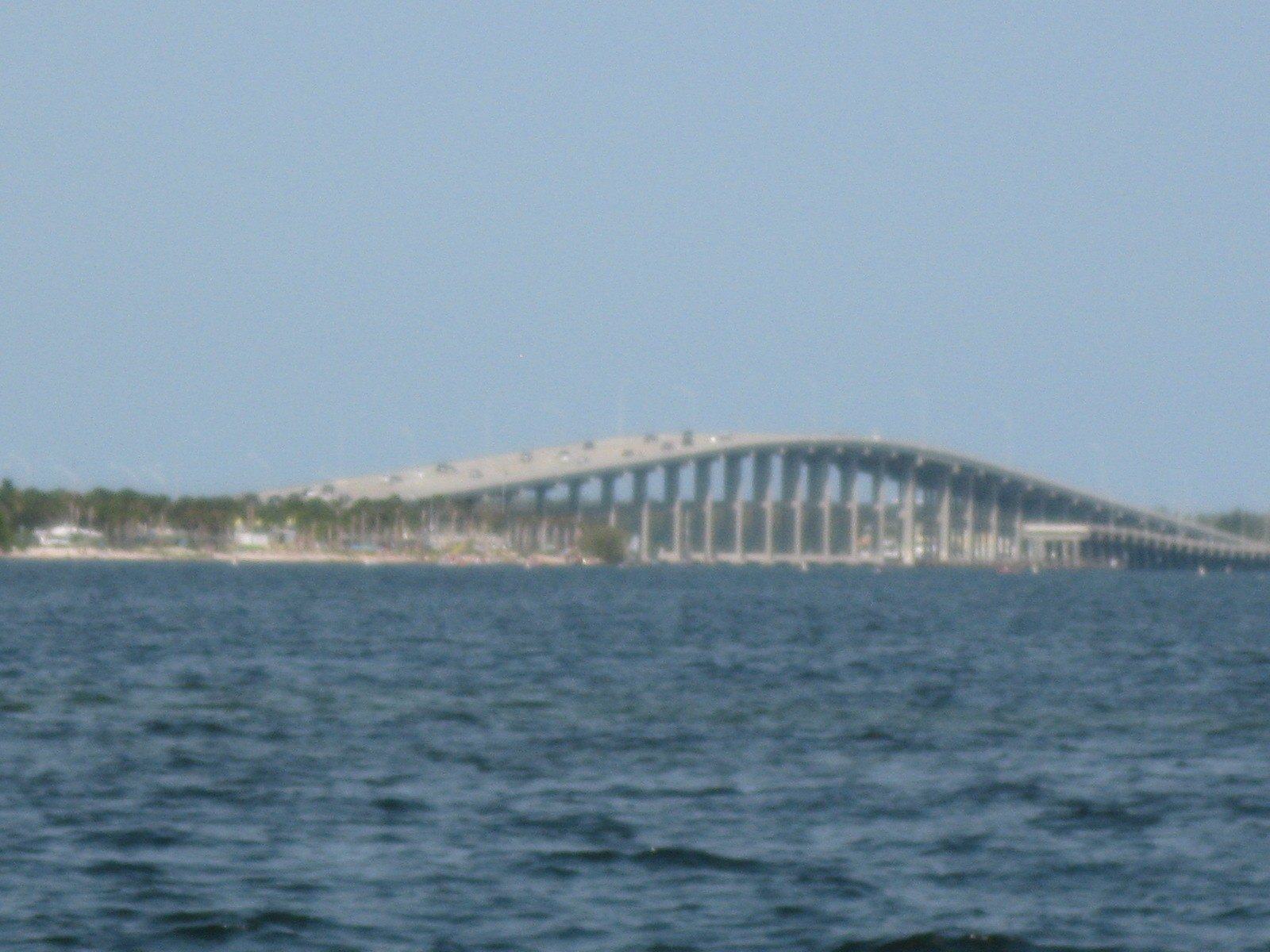
Every trip off the island goes over the Rickenbacker Causeway. On a clear morning, Brickell is a short drive away. The causeway is also one of the most scenic drives in Miami, with water on both sides and the skyline ahead.
There are a few things to understand about it:
- It is the only road. Traffic on the causeway, an accident or a bridge repair affects everyone on the island at the same time.
- Weekends are different. The beaches and parks draw visitors from across the county, so weekend and holiday traffic on the causeway can be heavy.
- There is a toll. Ask about current rates and any resident programs; we do not quote them because they change.
For buyers who work in Brickell or downtown, the commute is often easier than from many mainland neighborhoods. For buyers who drive north or west every day, we suggest testing the trip at the hours you would actually make it.
Condo or house: two different islands
Key Biscayne offers two very different ways to live, and most buyers know early which one they want.
Oceanfront and bayfront condos. Most of the island's condominium towers line the Atlantic side, with direct beach access, pools and staff. Some are newer; many were built decades ago. A condo here is the lock-and-leave option: no yard, no seawall, and the beach a few steps away. It suits a second home or a part-time residence especially well.
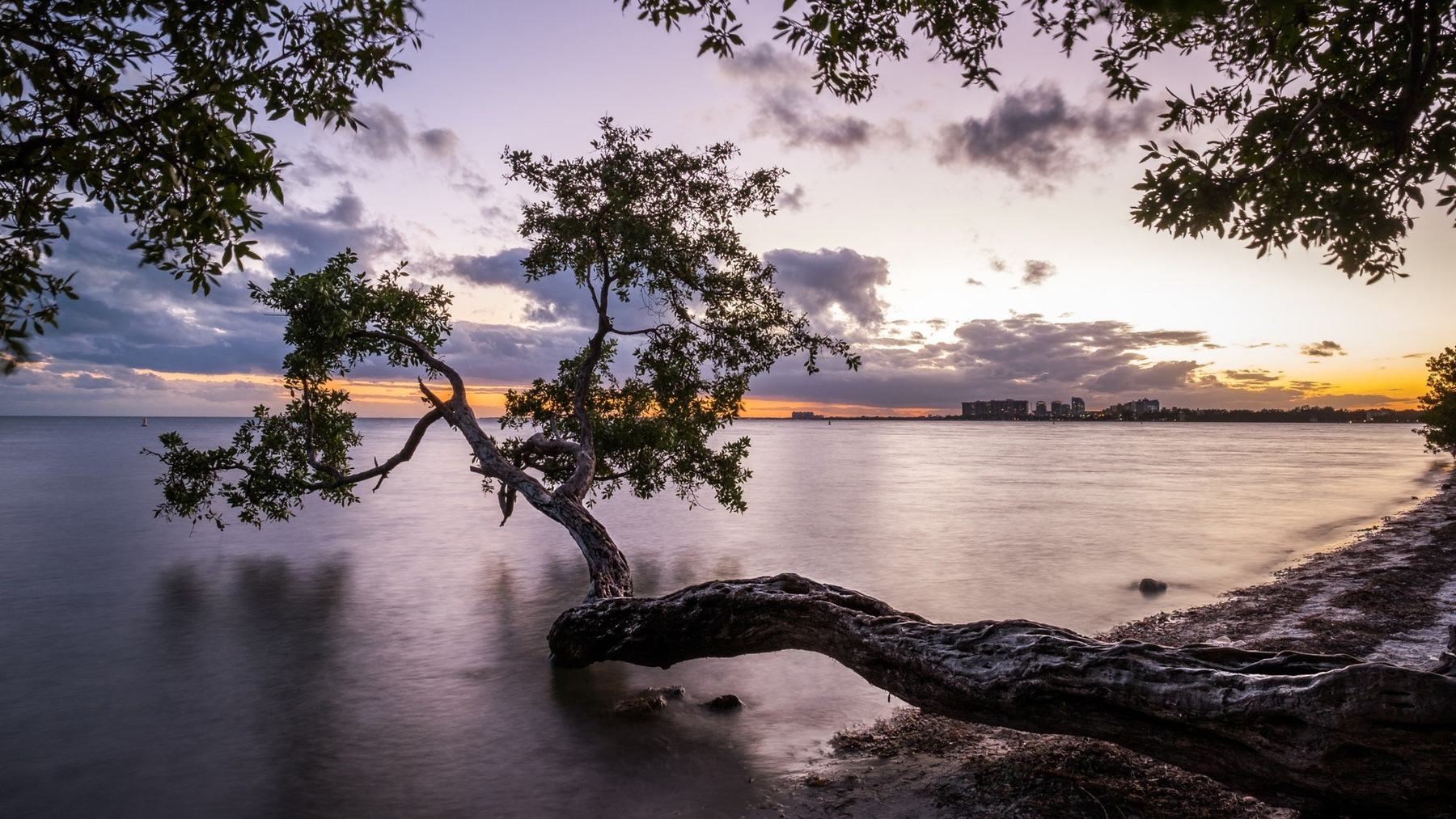
Houses in the village. The interior of the village is single-family homes, from original mid-century houses to complete rebuilds. Some sit on the bay side or on canals with water access. A house here gives you space and privacy on a walkable island, and it comes with the responsibilities of a house on the water: roof, windows, landscaping and, on the canals, the seawall and dock.
There are also townhouses and smaller buildings in between. We usually ask a buyer how often they will be on the island and who will look after the property when they are away. The answer tends to choose between condo and house on its own.
What to check on an island purchase
Everything we check on a Miami purchase applies here, with more weight on a few items:
- Flood zone and elevation. The whole island is low and close to the water. Ask for the elevation certificate, get a flood insurance quote early, and understand how the home or building has handled past storms.
- Wind protection and insurance. Impact windows, roof condition and wind mitigation features affect your insurance cost. Price the policy before you make an offer, not after.
- Condo association documents. Older towers are subject to Florida's milestone inspection and structural reserve study requirements. Read the budget, the reserve study and the minutes for planned repairs or special assessments.
- Village rules. Renovations and additions go through the village's own building and zoning process. If you plan to renovate or rebuild, find out what applies to that lot before you commit.
- Storm planning. Barrier islands are among the first areas the county asks to evacuate when a hurricane approaches. If you will be away for part of the year, plan who will prepare the property.
A day on the island
What draws buyers here is easy to describe. Morning walks or rides on the paths through Crandon Park. The beach at Bill Baggs with the lighthouse at the end. Kayaking or paddleboarding on the calmer bay side. Dinner on Crandon Boulevard, a short walk from home. Boating from the marina or from a canal dock, with the open bay right there.
Schools are a common question. The island has a public K-8 school, and Miami-Dade County Public Schools can confirm the zoned schools for any address. We always recommend checking with the district directly.
Is Key Biscayne the right fit?
It tends to fit buyers who want the beach and the bay as part of every day, who work in Brickell or downtown or not at all, and who are comfortable with one road in and out. It fits less well if your daily drive goes far north or west, or if you want a large lot with a lot of land around the house.
If you are deciding between Key Biscayne and another waterfront area, we are happy to lay them side by side. Coconut Grove offers bayfront living on the mainland, and our Coconut Grove guide is a good place to compare.
How we help
We show Key Biscayne the way buyers will live there: the causeway at rush hour, the beach on a Saturday, the building documents and the insurance quote before the offer. Tell us how you want to use the island and we will send you the buildings and streets that fit, along with every home currently for sale on Key Biscayne.
More from the journal
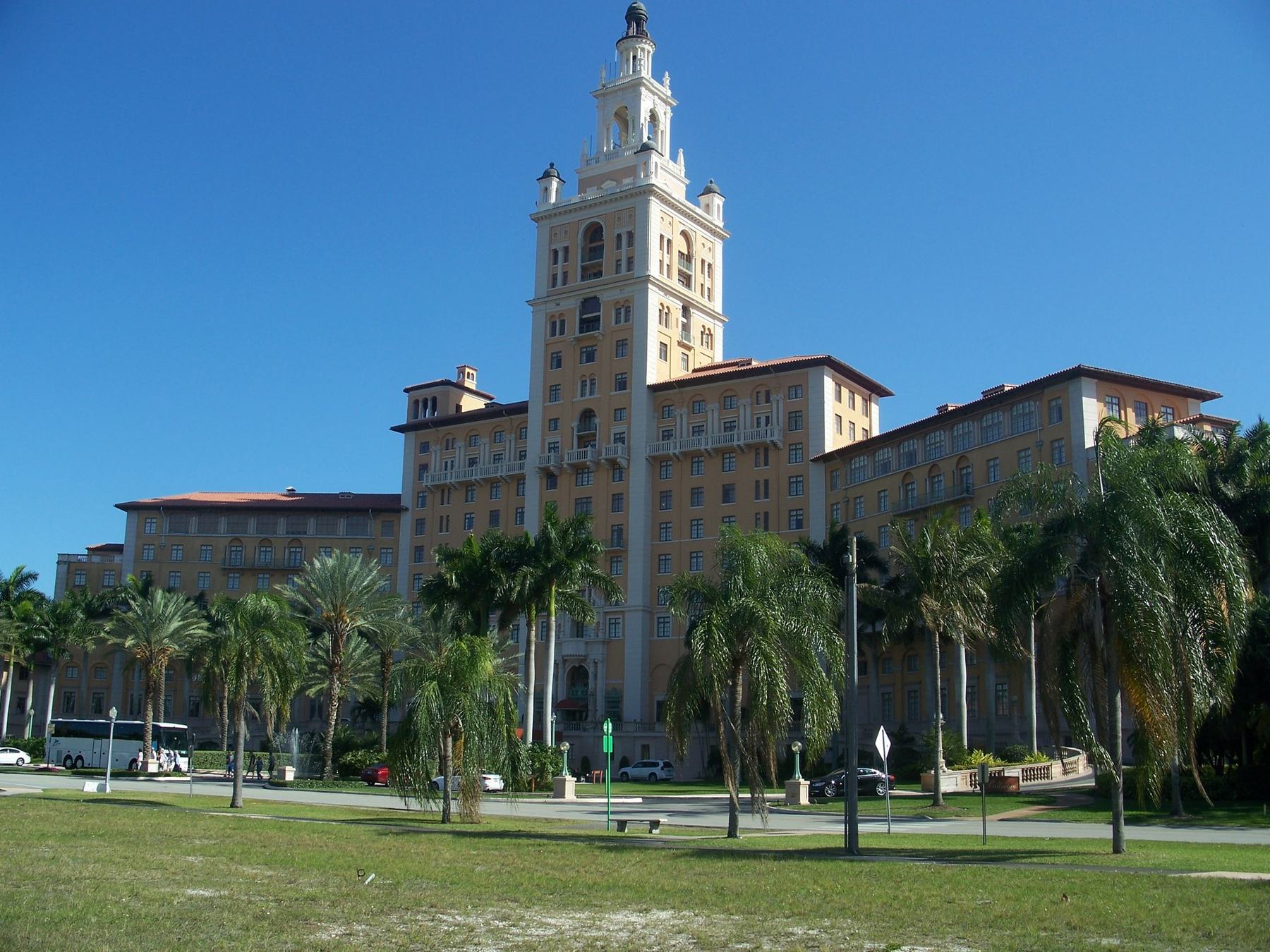
The Coral Gables Sections, Explained: Where Each Kind of Buyer Ends Up
Gated bayfront, golf-course cottages, walk-to-dinner condos. A section-by-section guide to Coral Gables for buyers who know how they want to live but not yet where.
Read the article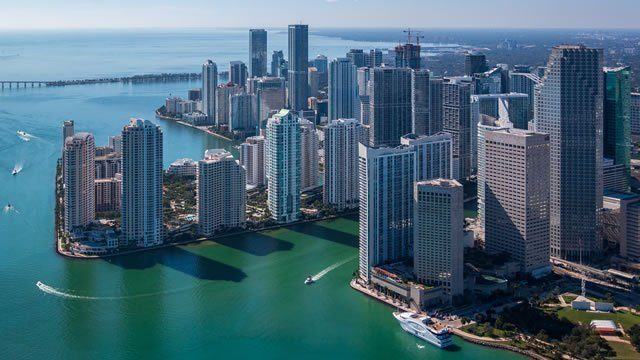
Getting a Mortgage as a Foreign National in Miami: What Lenders Ask For
No U.S. credit history, income abroad, savings in another currency. What a Miami lender will ask a foreign buyer for, and how to prepare the file before you start touring.
Read the article
The Florida Homestead Exemption and the Save Our Homes Cap, Explained
How the homestead exemption works, why the Save Our Homes cap matters more every year, and how portability lets you carry the savings to your next Florida home.
Read the article
Talk to us
Buying, selling or investing?
Tell us what you have in mind and we reply within one business day.