
Journal · Buying
Florida's Condo Safety Laws: What Buyers Need to Know Before Signing
Milestone inspections, structural integrity reserve studies and special assessments. How Florida's newer condo rules work and which documents to read before you buy a unit.
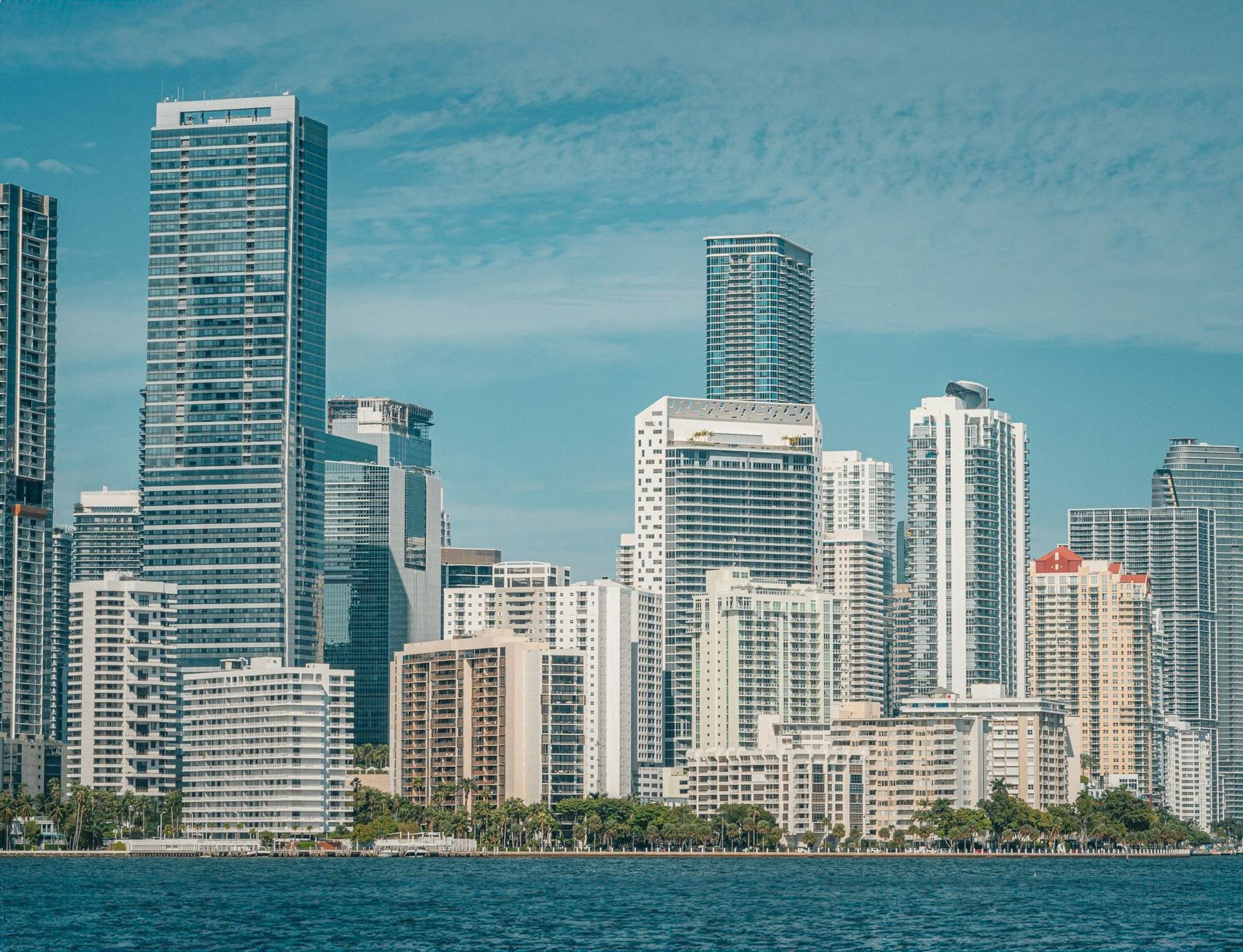
After the Champlain Towers South collapse in Surfside in 2021, Florida rewrote the rules for older condominium buildings. The changes were meant to make sure buildings are inspected on a schedule and that associations actually save money for major repairs. For buyers, they changed what you should read before you sign, and they changed how some buildings are priced. Here is how the rules work in general terms, and what we look at with every condo client.
Why the rules changed
For years, many Florida condo associations kept monthly dues low by putting aside little or nothing for future repairs. Owners could vote to waive reserves, and many did. When a building eventually needed a new roof, concrete restoration or new plumbing, the money had to come from owners all at once.
The new laws aim to end that pattern. They require periodic structural inspections for older buildings and require associations to fund reserves for the parts of the building that keep it standing and dry. Miami-Dade already had its own recertification program for older buildings, and the state rules now apply across Florida.
Milestone inspections
A milestone inspection is a structural inspection of a condominium or cooperative building three stories or taller. It is required once the building reaches a certain age set by state law, and then again on a recurring cycle. Local building officials can require it sooner in some cases.
The inspection happens in phases:
- Phase one is a visual examination of the structure by a licensed architect or engineer.
- Phase two is required only if the first phase finds signs of substantial structural deterioration. It is more invasive and may include testing.
The association must share the results with owners, and repairs identified in the report must be addressed within the time the law and the local building department allow.
For a buyer, the question is simple: has the building had its milestone inspection, what did it find, and what is being done about it? We ask for the report, not a summary of it.

Structural integrity reserve studies
The second major change is the structural integrity reserve study, often called a SIRS. Buildings three stories or taller must have one, prepared by a qualified professional. It looks at the components that matter most for safety and long-term condition, including:
- Roof and load-bearing walls.
- Floors and foundation.
- Fireproofing and fire protection.
- Plumbing and electrical systems.
- Waterproofing and exterior painting.
- Windows and exterior doors.
The study estimates how long each item will last and what it will cost to replace, and the association must fund reserves for those items. The law now sharply limits the ability of owners to waive or reduce reserves for these structural components.
This is the part that changed monthly dues in many buildings. When an association has to fund reserves that it previously skipped, dues go up, sometimes sharply.
Special assessments
A special assessment is a one-time charge to owners, on top of regular dues, to pay for a repair or a shortfall. Under the new rules, buildings that need major work and lack reserves often turn to special assessments, sometimes payable in installments over several years.
Before you buy, you want to know about:
- Assessments already approved and how much remains unpaid on the unit.
- Assessments proposed or under discussion at board meetings.
- Large projects the milestone inspection or the reserve study say are coming.
Who pays an assessment that is approved before closing but due after it is a contract question. We make sure the contract addresses it clearly.
The documents we read with you
When you buy a resale condo in Florida, you are entitled to receive the association's governing documents, and Florida law gives buyers a short period after receiving them to review and cancel. The exact rules are set by statute and your contract, so we confirm the dates for each purchase. During that window, we read:
- The milestone inspection report, if the building is old enough to need one.
- The structural integrity reserve study and how fully the association is funding it.
- The current budget, the reserve balances and the most recent financial statements.
- Board meeting minutes from the past year or more. This is where planned projects, insurance problems and assessment discussions show up first.
- The estoppel certificate, which confirms what the seller owes the association.
- The rules, including leasing restrictions, pet policies and the approval process for buyers.
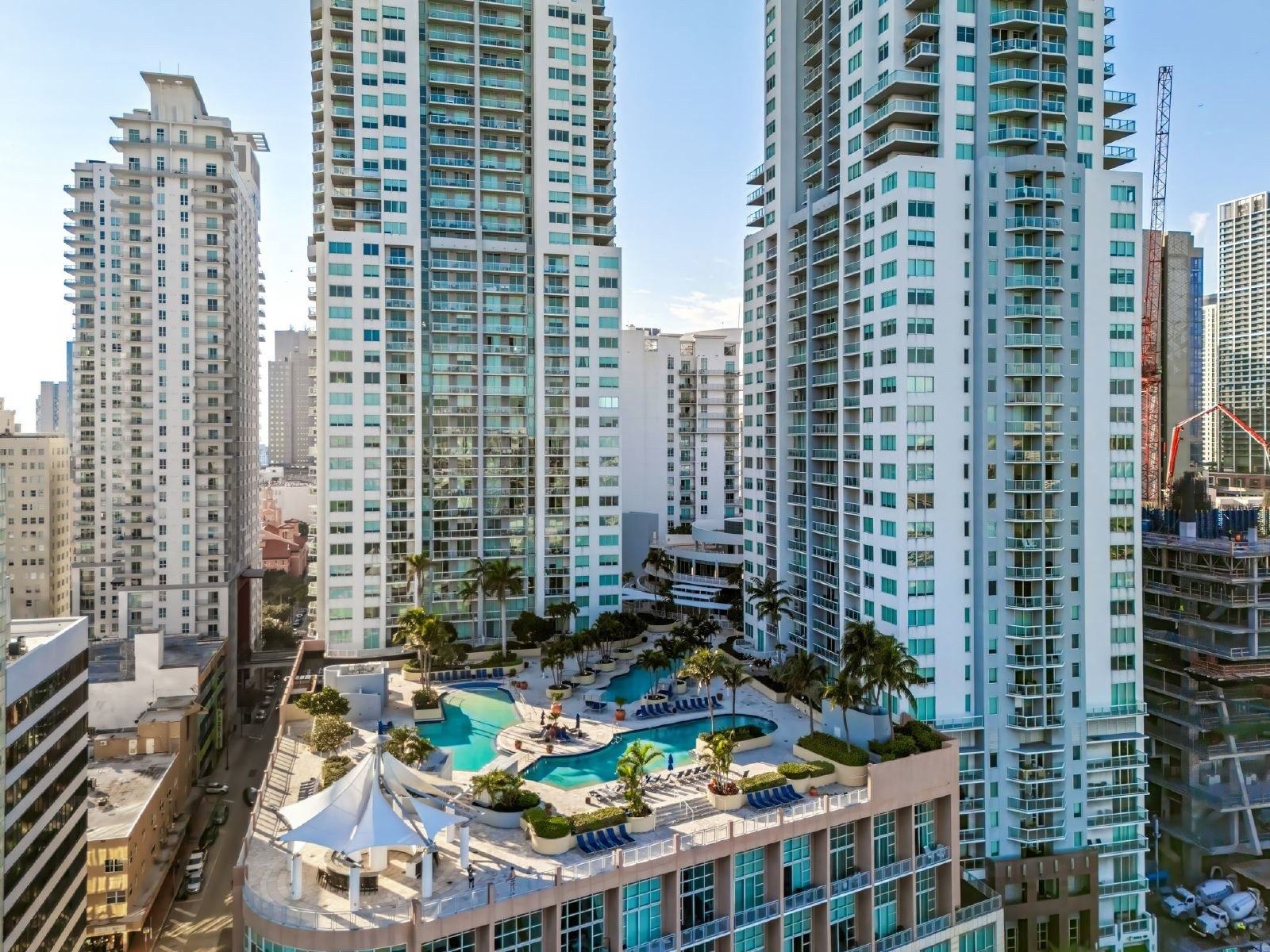
How the rules affect financing and price
Lenders and the agencies behind most mortgages look closely at a building's finances and condition. A building with significant deferred maintenance, critical repairs or inadequate reserves can become harder to finance, which can limit the pool of buyers to those paying cash. That affects both what you can borrow and what the unit will be worth when you sell. If you are financing, we ask your lender to review the building early, not after you are under contract.
The rules also create opportunities. Buildings that have completed their inspections, funded their reserves and finished their repairs are now easier to understand and easier to finance. A higher monthly fee in a well-funded building can cost less over time than a low fee in a building that has not yet faced its bills.
How we help
We request the inspection reports, reserve study, budget and minutes as early as possible, read them with you, and bring in your lender, an attorney or a building engineer when the documents raise questions we should not answer alone. If you are looking at condos in Brickell, Edgewater or anywhere in Miami-Dade and Broward, send us the building and we will tell you what we would want to see first.
More from the journal

The Coral Gables Sections, Explained: Where Each Kind of Buyer Ends Up
Gated bayfront, golf-course cottages, walk-to-dinner condos. A section-by-section guide to Coral Gables for buyers who know how they want to live but not yet where.
Read the article
Getting a Mortgage as a Foreign National in Miami: What Lenders Ask For
No U.S. credit history, income abroad, savings in another currency. What a Miami lender will ask a foreign buyer for, and how to prepare the file before you start touring.
Read the article
The Florida Homestead Exemption and the Save Our Homes Cap, Explained
How the homestead exemption works, why the Save Our Homes cap matters more every year, and how portability lets you carry the savings to your next Florida home.
Read the article
Talk to us
Buying, selling or investing?
Tell us what you have in mind and we reply within one business day.