
Journal · Buying
Home Inspection in South Florida: What It Should Cover and What to Do With the Report
Roofs, termites, plumbing, air conditioning, moisture, pools and permits. What a South Florida home inspection should include, and how to turn the report into decisions.

Photo: W.carter, CC BY-SA 4.0
A home inspection is the one chance you get to look closely at a house before it is yours. In South Florida, heat, humidity, salt air, termites and hurricane season all leave their mark on a building, so a good inspection here covers more than a generic checklist. Here is what we expect an inspection to include, which extra inspections are worth adding, and how we help clients turn the report into a decision.
How the inspection period works
Most residential purchases in Miami are written on an "as is" contract with an inspection period. During that window, you inspect the property and, if the results are not acceptable to you, you can cancel under the terms of the contract. The seller is not obligated to make repairs, but the findings give you a basis to negotiate a credit or a price change.
The inspection period is short and it goes fast. We schedule inspectors as soon as the contract is signed, so you have time to get specialist opinions and repair quotes before the deadline. Florida licenses home inspectors, and we suggest choosing one with deep experience in local construction.
What the general inspection should cover
A general home inspection is a visual review of the major systems and components that are accessible on the day. In South Florida, pay special attention to:
- Roof. Material, approximate age, visible damage, loose or cracked tiles, flashing, and signs of past leaks inside the attic and on ceilings.
- Structure and exterior. Cracks in walls and slabs, stucco condition, drainage around the house, and the state of windows and doors, including whether they are impact-rated.
- Air conditioning. Age and condition of the system, the condensate drain line and signs of poor drainage. In this climate the AC runs most of the year, so it matters.
- Plumbing. Supply pipe materials, leaks, water pressure, the water heater and visible drain lines.
- Electrical. The panel, wiring type, grounding and any safety hazards.
- Moisture and mold. Stains, musty smells and elevated moisture readings around windows, bathrooms, AC closets and ceilings.
- Appliances and interior. Kitchen appliances, doors, floors, and anything that does not work as it should.
A general inspector reports what can be seen. They do not open walls, and they will often recommend a specialist when something needs a closer look.
The inspections worth adding here
South Florida purchases usually need a few more reports beyond the general inspection:
- Wood-destroying organism (WDO) inspection. Termites are common here, both subterranean and drywood. The WDO report notes active infestation, past damage and previous treatment.
- 4-point inspection. Many insurers require it for older homes. It covers the roof, electrical, plumbing and HVAC from an insurance point of view.
- Wind mitigation inspection. It documents hurricane-resistant features that can lower your insurance premium.
- Sewer line camera scope. Older homes may have cast iron or clay drain lines that crack or corrode over time. A camera scope shows the condition of pipes you cannot see.
- Pool inspection, if there is a pool: the structure, equipment, safety features and any leaks.
- Seawall and dock inspection for waterfront homes, and a septic inspection for homes not on city sewer.
Not every home needs every report. We decide which ones make sense based on the age, type and location of the property.
Condos are different
When you buy a condo, your inspection covers the unit: the interior, the AC, the water heater, the windows and doors, the plumbing fixtures and the electrical inside the unit. The roof, the structure and the common areas belong to the association. For those, the association's milestone inspection report, reserve study and meeting minutes tell you far more than any unit inspector can.
Permits matter as much as condition
A home can look perfect and still have a problem in the public record. Before the inspection period ends, we check the permit history with the city or county:
- Open or expired permits, where work was started but never formally closed out.
- Unpermitted additions, such as enclosed garages, extra bathrooms or converted patios.
- Roof and AC permits, which confirm when those systems were actually replaced.
Open permits and unpermitted work can delay a closing, complicate insurance and financing, and become your problem after you buy. They are usually much easier to resolve before closing, with the seller's cooperation, than after.
What to do with the report
Inspection reports are long, and almost every one lists dozens of items. That does not mean the house is a problem. The job is to sort the findings:
- Safety issues and major systems. Roof, structure, electrical hazards, active leaks, termites and anything that affects insurance. These come first.
- Costly near-term items. An AC near the end of its life, a water heater that needs replacing, drain lines that need work. Get quotes from licensed contractors so you are negotiating with real numbers.
- Maintenance and cosmetic items. Caulking, loose fixtures, minor wear. Note them, plan for them, and do not spend negotiating capital on them.
Then decide what to ask for. The usual options are a price reduction, a credit at closing, seller repairs with permits and receipts, or, if the findings change the picture completely, cancelling within the inspection period.
How we help
We schedule inspectors immediately, attend the inspection when we can, read the report with you, and help you get specialist opinions and quotes before your deadline. Then we negotiate with the seller based on what actually matters. If you are getting ready to buy, talk to our team about the homes on your list.
More from the journal
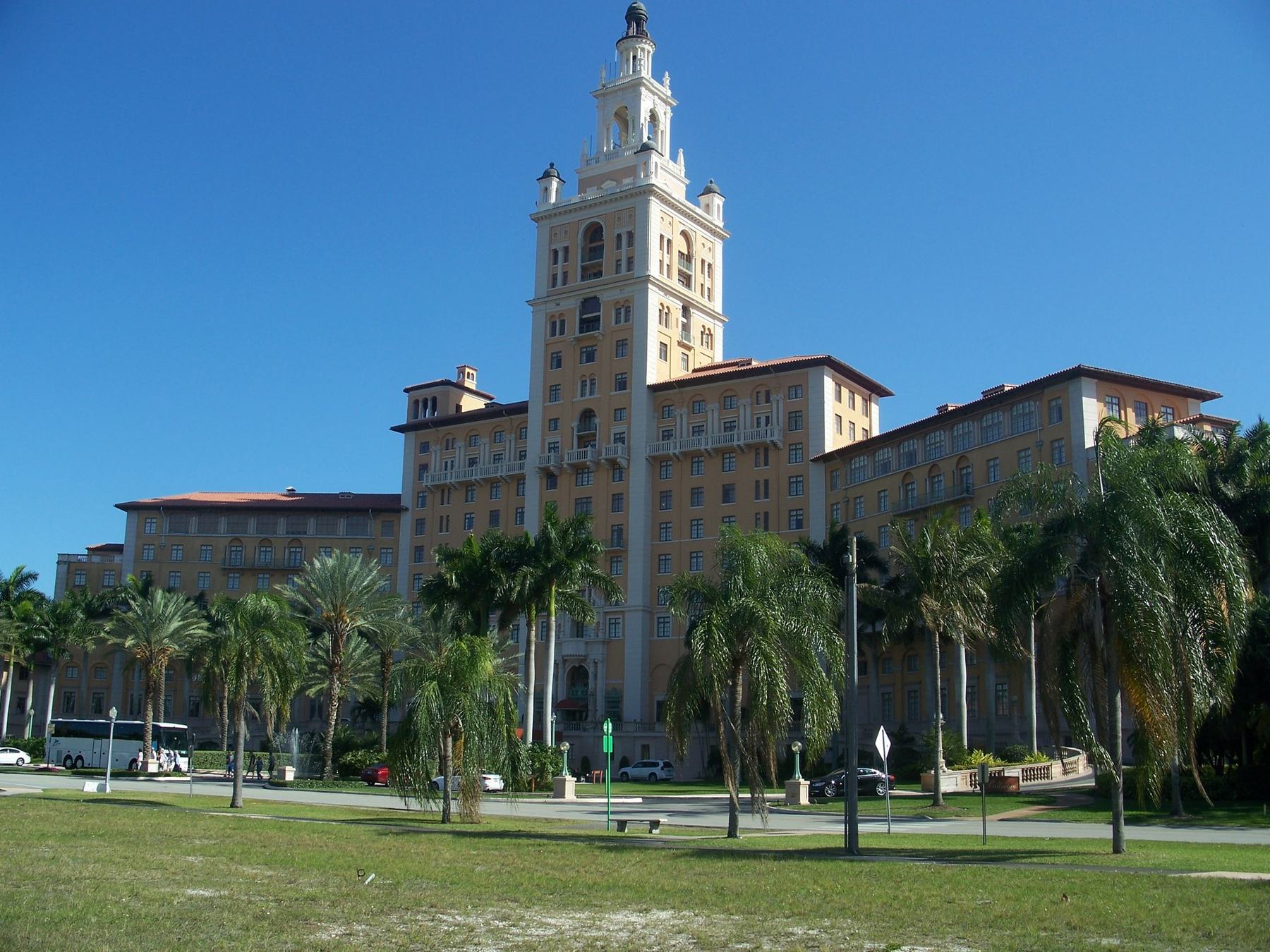
The Coral Gables Sections, Explained: Where Each Kind of Buyer Ends Up
Gated bayfront, golf-course cottages, walk-to-dinner condos. A section-by-section guide to Coral Gables for buyers who know how they want to live but not yet where.
Read the article
Getting a Mortgage as a Foreign National in Miami: What Lenders Ask For
No U.S. credit history, income abroad, savings in another currency. What a Miami lender will ask a foreign buyer for, and how to prepare the file before you start touring.
Read the article
The Florida Homestead Exemption and the Save Our Homes Cap, Explained
How the homestead exemption works, why the Save Our Homes cap matters more every year, and how portability lets you carry the savings to your next Florida home.
Read the article
Talk to us
Buying, selling or investing?
Tell us what you have in mind and we reply within one business day.