
Journal · Neighborhoods
Living in Pinecrest: A Neighborhood Guide to Big Lots and Green Streets
Large lots, a deep tree canopy, Pinecrest Gardens and quick access to US-1 and Dadeland. What Pinecrest offers and what to check before you buy a home there.
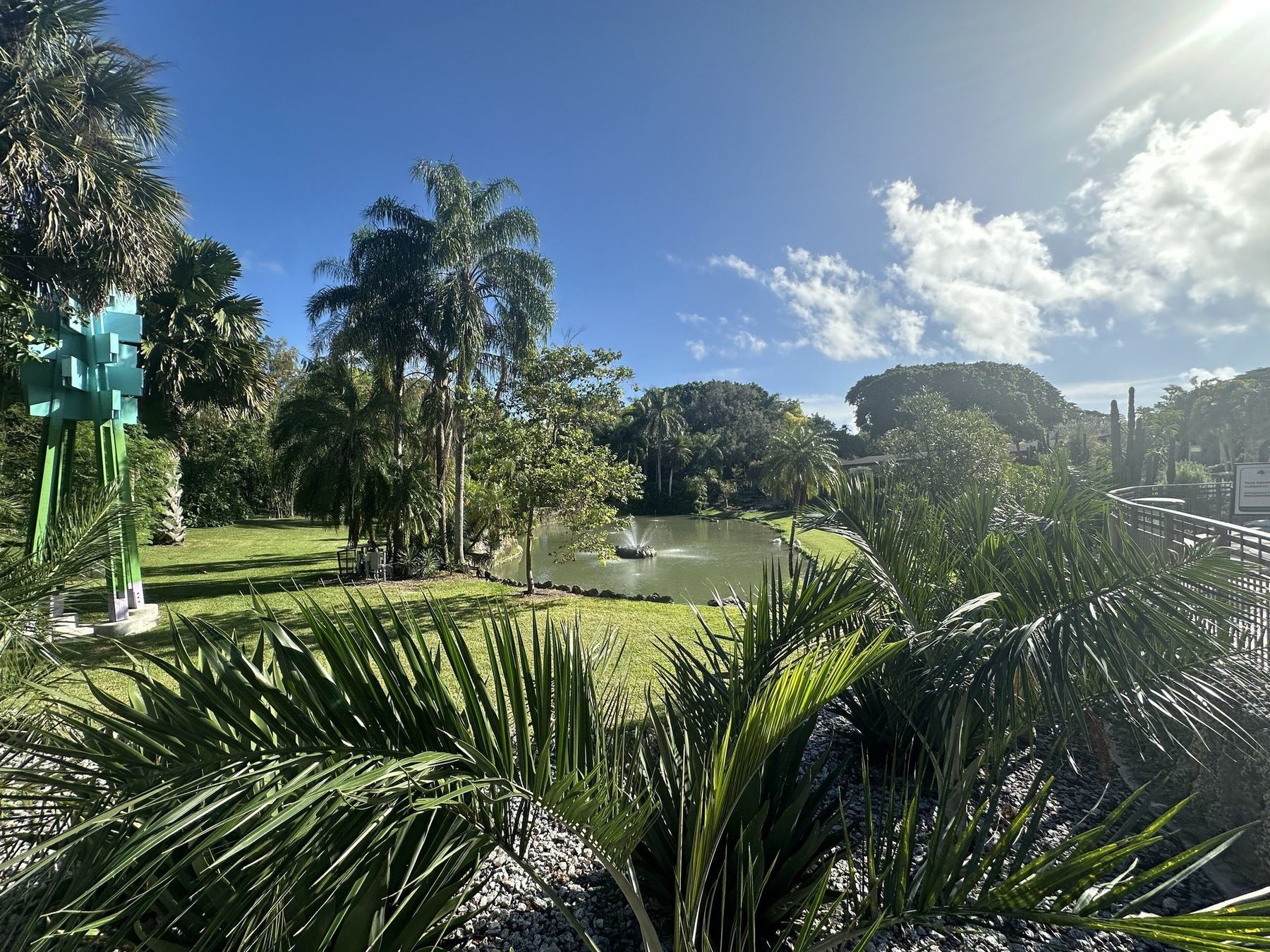
Pinecrest is where Miami goes green. Drive a few minutes south of Dadeland, turn off US-1, and the city gives way to winding roads, deep shade and houses set far back on lots that would be unusual anywhere else in the county. Buyers who want space, privacy and a garden around the house almost always end up looking here. This is how we describe Pinecrest to clients considering it.
Where it is and how it came to be
Pinecrest sits in southern Miami-Dade, between South Miami, Coral Gables and Palmetto Bay. It incorporated as its own village in 1996, and it has kept a clear identity since: low-density residential streets, a strong emphasis on landscape and very little commercial development inside the neighborhoods themselves.
Shopping and offices are concentrated along US-1 and a few main roads at the edges, which is a big part of why the residential streets feel the way they do. You drive out to errands, and you drive back into the trees.
Lots and landscape
Lot size is the defining feature of Pinecrest. Many lots are large by Miami standards, often close to an acre, and the village's zoning is designed to keep that pattern. That space shows up in a few ways:
- Room around the house. Long driveways, deep setbacks, side yards wide enough for a garden, a pool and a guest house.
- A mature canopy. Old oaks, banyans and royal palms line many streets, and older lots often have fruit trees such as mango and avocado.
- Privacy. Hedges and landscaping do more to separate homes than walls do.
The landscape is an asset you inherit, and a responsibility. Large trees need regular care, especially before hurricane season, and most cities in Miami-Dade regulate tree removal. Before you plan to clear space for an addition or a pool, check the village rules for trees, fences and setbacks.
The homes
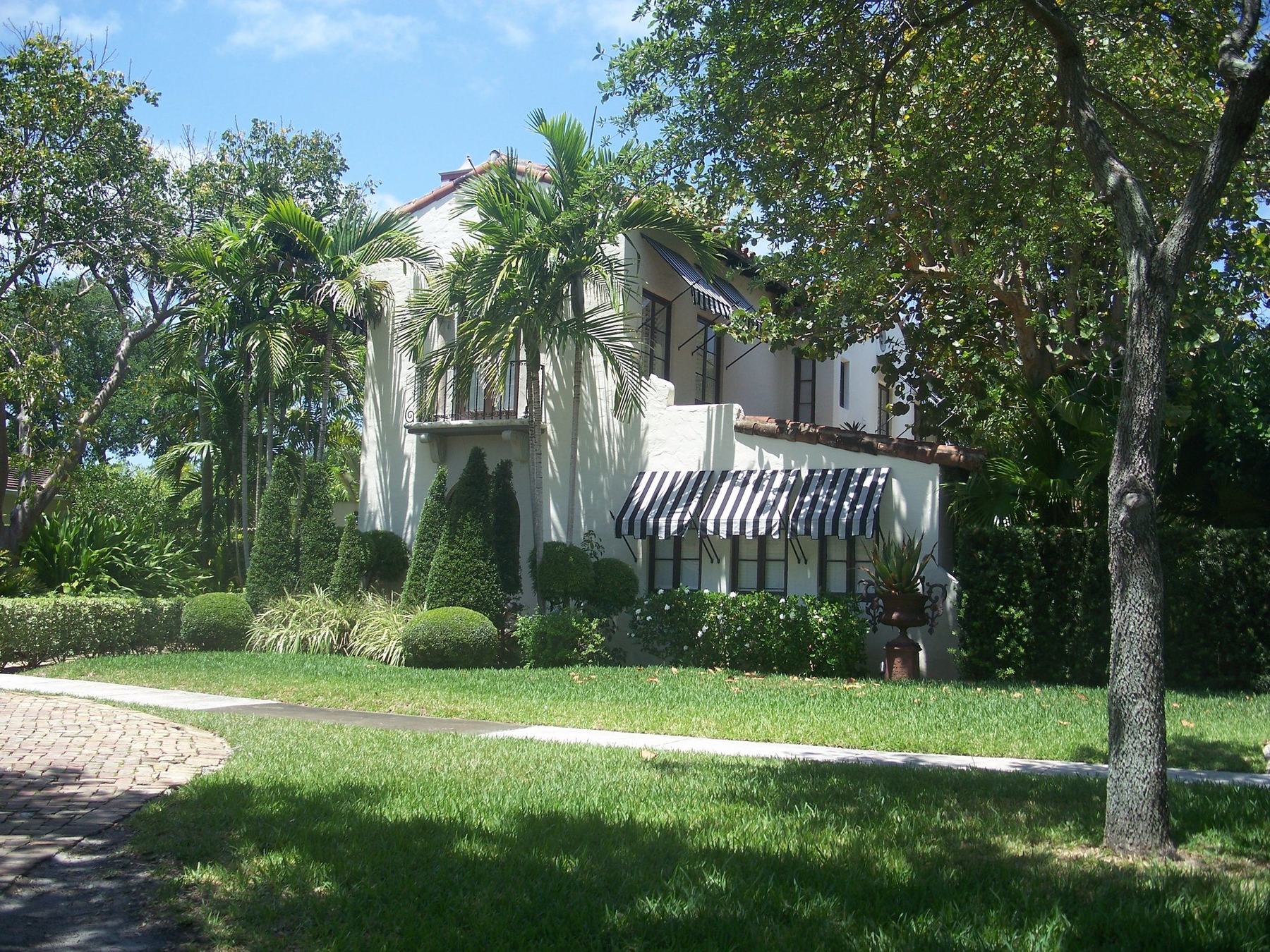
Housing in Pinecrest is mostly single-family, in a range of eras and styles:
- Mid-century ranch homes, often single-story, on the original large lots.
- Renovated and expanded homes, where owners kept the footprint and modernized the interior.
- New custom construction, where an older house was replaced with a larger modern or Mediterranean-style home.
That mix means value in Pinecrest often sits as much in the land as in the house. For an older home, we look at both: what it would cost to renovate, and what the lot would support if a buyer chose to rebuild.
Because the lots are large, many homes have features that are hard to find closer to the city: a full-size pool, a separate guest house, a detached garage or a home office set apart from the main house. When those structures exist, we confirm they were permitted and make sure the insurance quote accounts for them.
Parks and things to do
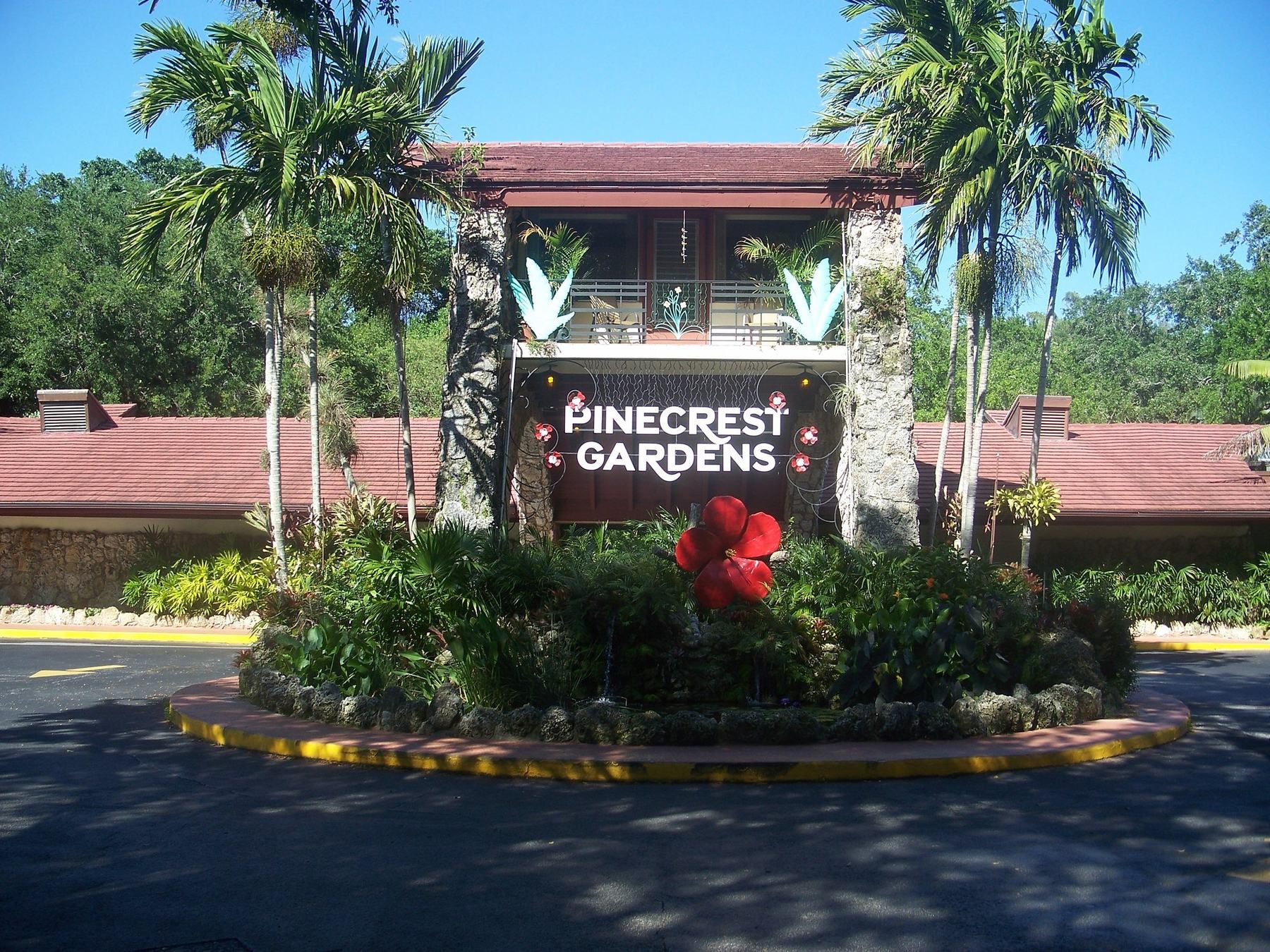
The best-known landmark is Pinecrest Gardens, the village's botanical garden and park on the site of the original Parrot Jungle attraction. It has old banyans, tropical plantings, a lake and walking paths, and it hosts concerts and community events through the year. The village also runs several other parks with tennis courts, ball fields, playgrounds and open space.
Just east, in Coral Gables, Fairchild Tropical Botanic Garden and Matheson Hammock Park are a short drive away along the scenic Old Cutler corridor, with gardens, walking trails and access to Biscayne Bay. For shopping and dining, Dadeland and South Miami are a few minutes north.
Getting around
Pinecrest's location is practical. US-1 runs along its edge, with Dadeland and the Metrorail stations close by for trips to Coral Gables, Brickell and downtown. The Palmetto Expressway and the Don Shula Expressway are a few minutes west, which helps for trips to Kendall, Doral and the airport.
Travel times depend heavily on the hour. US-1 is busy at rush hour, so if you will commute every day, drive the route at the time you would actually leave before you commit.
What to check before you buy
A Pinecrest purchase has a few specific items to review:
- Septic or sewer. Some homes in the area are on septic systems rather than city sewer. The inspection should cover the system, and it is worth asking about any plans for sewer connection on the street.
- Roof, plumbing and electrical. Many homes are decades old, and these systems drive both repair costs and insurance. Order a 4-point and a wind mitigation inspection along with the general inspection.
- Trees. Large trees close to the house can affect the roof, the foundation and the drains. Ask your inspector to note them.
- Flood zone and drainage. Check the flood zone, ask for the elevation certificate if one exists, and walk the property after a heavy rain if you can.
- Permits. Additions, pools and guest houses should have permits on file. Unpermitted work can complicate insurance, financing and a future sale.
How we help in Pinecrest
We know how to read a Pinecrest property for both the house and the land, and we bring in the right inspectors for septic systems, trees and older homes. If you are also comparing Pinecrest with Coral Gables, we can show you both side by side. When you are ready, browse homes for sale across Miami-Dade and tell us what you are looking for.
More from the journal
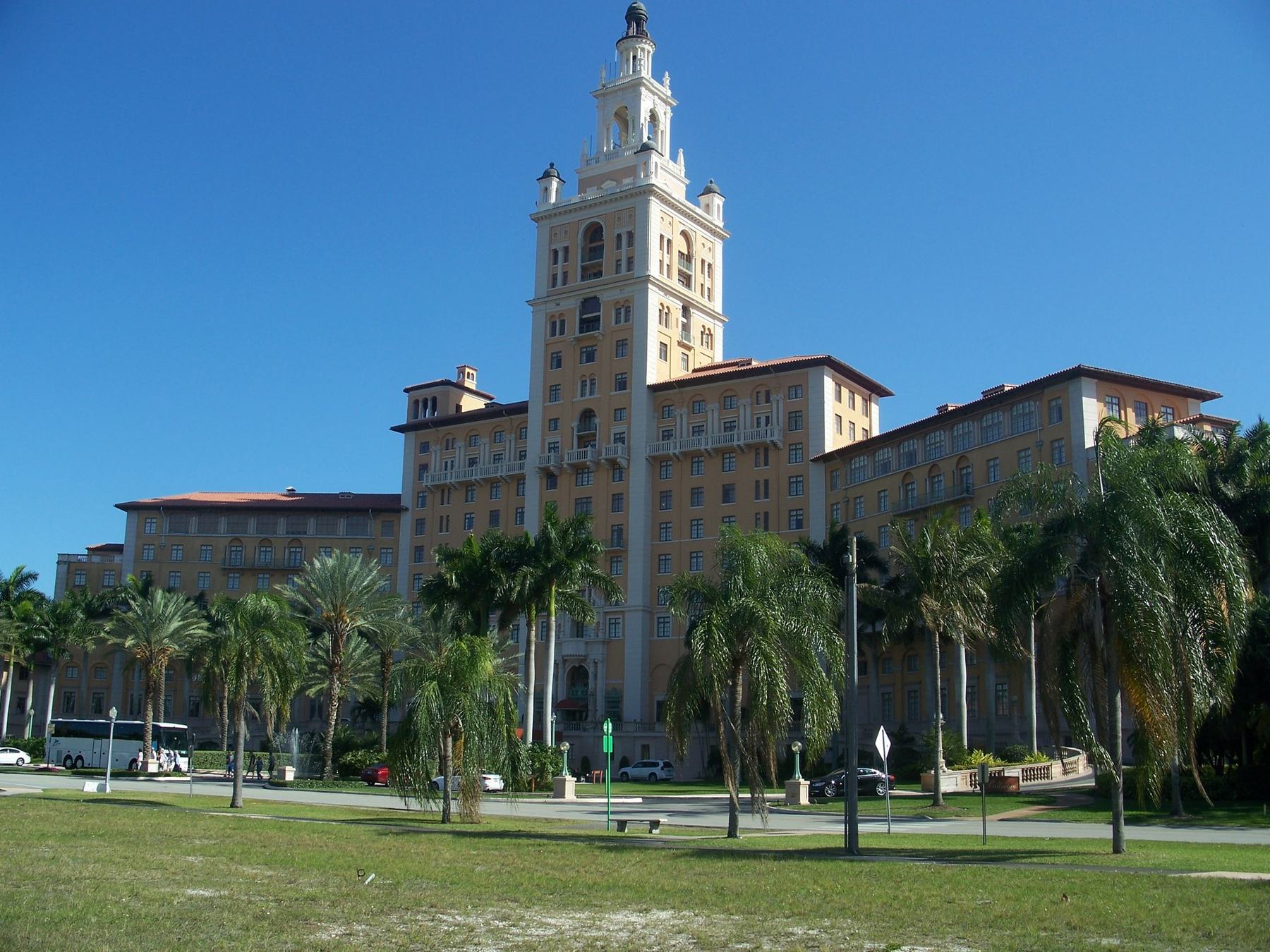
The Coral Gables Sections, Explained: Where Each Kind of Buyer Ends Up
Gated bayfront, golf-course cottages, walk-to-dinner condos. A section-by-section guide to Coral Gables for buyers who know how they want to live but not yet where.
Read the article
Getting a Mortgage as a Foreign National in Miami: What Lenders Ask For
No U.S. credit history, income abroad, savings in another currency. What a Miami lender will ask a foreign buyer for, and how to prepare the file before you start touring.
Read the article
The Florida Homestead Exemption and the Save Our Homes Cap, Explained
How the homestead exemption works, why the Save Our Homes cap matters more every year, and how portability lets you carry the savings to your next Florida home.
Read the article
Talk to us
Buying, selling or investing?
Tell us what you have in mind and we reply within one business day.