
Journal · New Developments
How Buying Pre-Construction in Miami Actually Works
Reservations, deposit schedules, the 15-day review period and what to ask before you sign. A plain-language guide from The R&R Group.
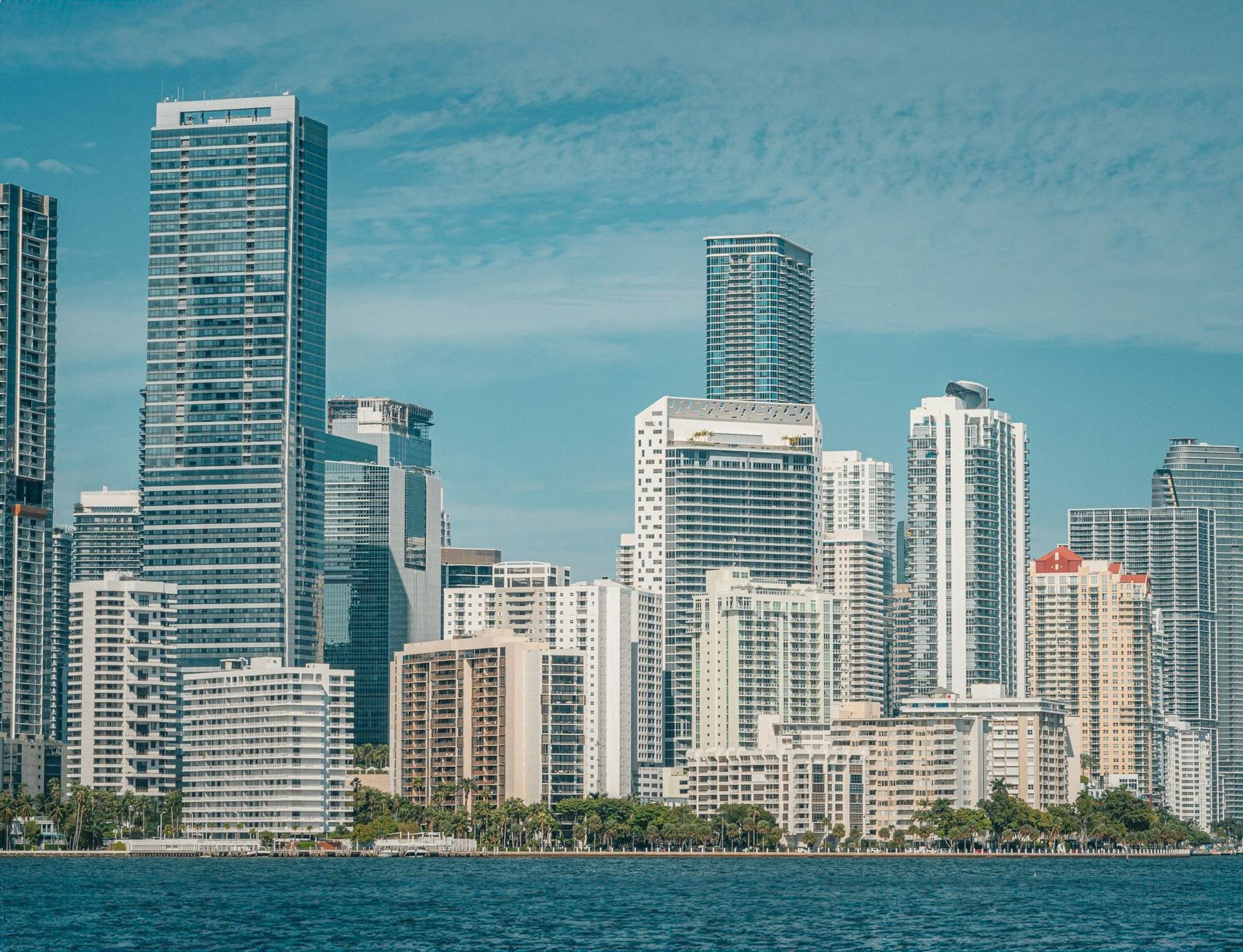
Most of the residences on our developments page do not exist yet. They are renderings, sales galleries and a construction schedule. That is normal in Miami, where a large share of the best new addresses are sold before the building is finished. Buying this way is different from buying a resale, and the differences matter.
What "pre-construction" means
A developer announces a tower, opens a sales gallery and starts selling units from floor plans. You choose a unit, a floor and sometimes a finish package, and you sign a purchase contract with the developer long before you can walk through the door. The building is typically delivered two to four years after sales begin, depending on when construction starts and how large the project is.
You are paying today's price for a residence delivered later. If the market rises, you benefit. If it softens, you still own the contract at the price you agreed.
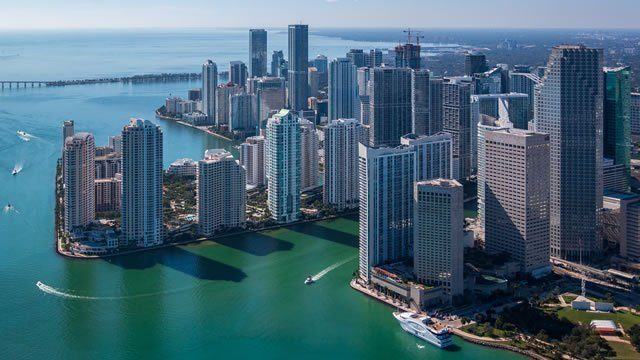
The deposit schedule
Pre-construction is paid in stages rather than with one down payment at closing. A common structure in Miami looks like this:
- A reservation deposit, often refundable, to hold the unit while the contract is prepared.
- A first deposit when you sign the purchase contract.
- Additional deposits tied to construction milestones, such as groundbreaking and the top-off of the building.
- The balance at closing, when the building has a certificate of occupancy and you take title.
Total deposits before closing frequently add up to a large share of the price, often in the range of 30 to 50 percent. Every project sets its own schedule, so ask for the exact percentages and dates before you commit. Florida law also regulates how developers hold and use buyer deposits; the escrow terms are in your contract and are worth reading closely.
The 15-day review period
When you buy a new condominium unit from a developer in Florida, you have the right to cancel the contract within 15 days after signing it and receiving the condominium documents. Use that window. The documents include the budget, the declaration and the rules of the association. If something does not sit right, you can walk away and recover your deposit.
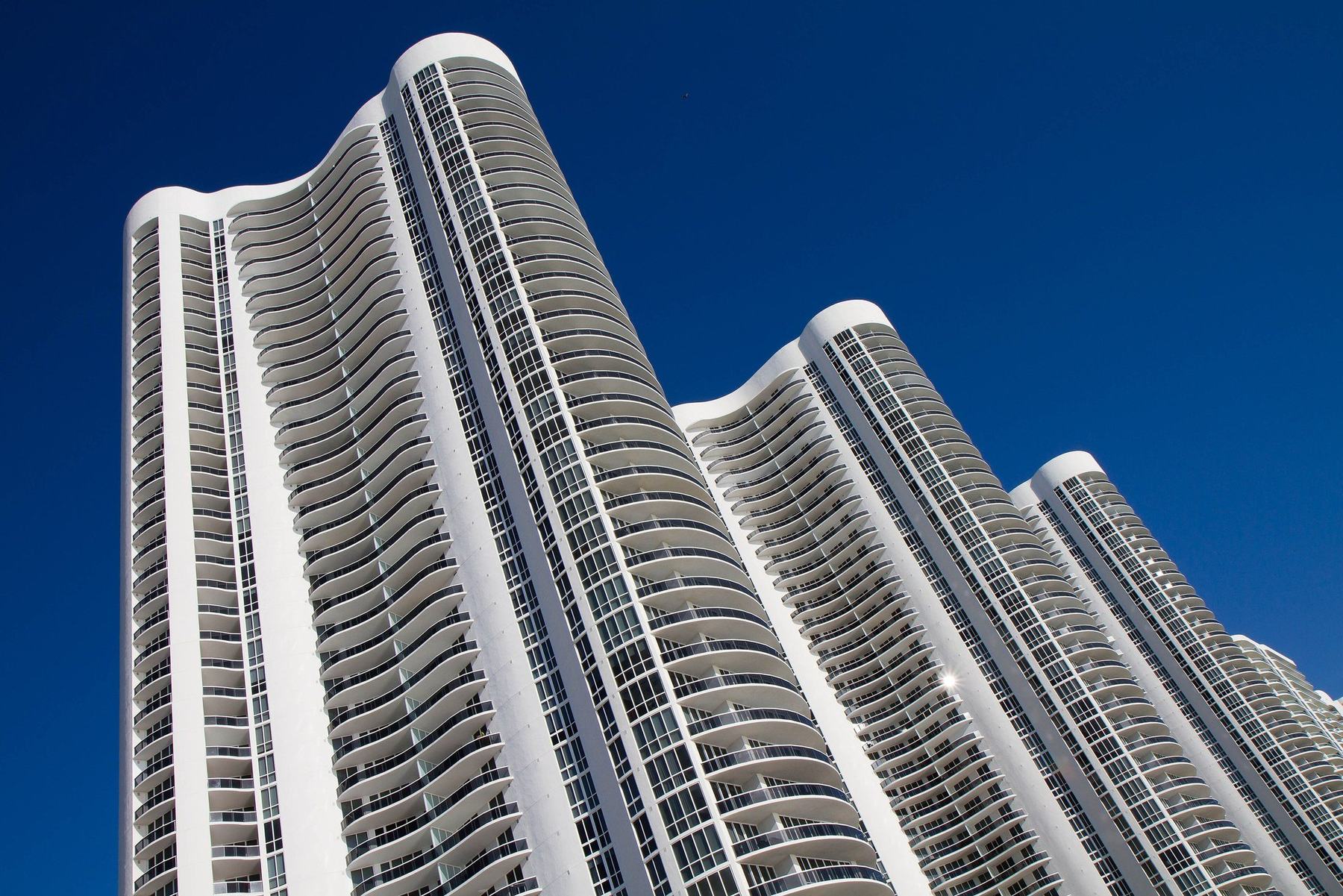
What to ask before you sign
- Who is the developer, and what have they delivered? Track record is the single best predictor of a smooth delivery.
- What is the estimated completion date, and what happens if it slips? Delays are common. Know your rights if the date moves.
- Can the contract be assigned? Some developers allow you to sell your contract before closing; many restrict it.
- What are the closing costs? Developer contracts often include a developer fee, commonly around 1.5 to 2 percent, on top of the usual title and recording costs.
- What are the estimated monthly assessments? New buildings with pools, spas and staffed lobbies carry real operating costs.
- Is financing available at closing? You will finance at the rates in effect when the building is delivered, not today's rates. Plan for both.
Who pre-construction suits
Pre-construction works best for buyers with a longer horizon: a second home for the next decade, an investment held through the first years of a building's life, or a primary residence for a buyer who can wait for delivery. It is a poor fit if you need to move in within the year.
How we help
We follow eight developments closely, from Coral Gables to Sunny Isles Beach, and we often know about releases, price changes and the units that have not reached the public before they are announced. We read the contract with you, explain the deposit schedule in plain terms and stay on the file until the day you receive your keys.
If you are considering a pre-construction residence, tell us which building and we will send floor plans, pricing and availability the same day.
More from the journal

The Coral Gables Sections, Explained: Where Each Kind of Buyer Ends Up
Gated bayfront, golf-course cottages, walk-to-dinner condos. A section-by-section guide to Coral Gables for buyers who know how they want to live but not yet where.
Read the articleGetting a Mortgage as a Foreign National in Miami: What Lenders Ask For
No U.S. credit history, income abroad, savings in another currency. What a Miami lender will ask a foreign buyer for, and how to prepare the file before you start touring.
Read the article
The Florida Homestead Exemption and the Save Our Homes Cap, Explained
How the homestead exemption works, why the Save Our Homes cap matters more every year, and how portability lets you carry the savings to your next Florida home.
Read the article
Talk to us
Buying, selling or investing?
Tell us what you have in mind and we reply within one business day.